Last Tuesday, I was staring into my open fridge at 6:45 PM with the kind of desperation that only a working parent understands. The kids were already arguing over whose turn it was to pick a movie. The dog was looking at me like I owed him money. And I had exactly twenty minutes to figure out dinner before the “hangry” phase hit full swing.
Normally, I’d reach for the frozen pizza. But I was trying to eat a little better, and my husband had mentioned—twice—that he missed eating out. Not fancy, expensive out. Just good, hot food that didn’t taste like it came out of a cardboard box.
Then I remembered a jar of gochujang sitting in the back of my pantry, bought on a whim months ago and largely forgotten. I had salmon in the freezer. I had honey. I had sesame seeds.
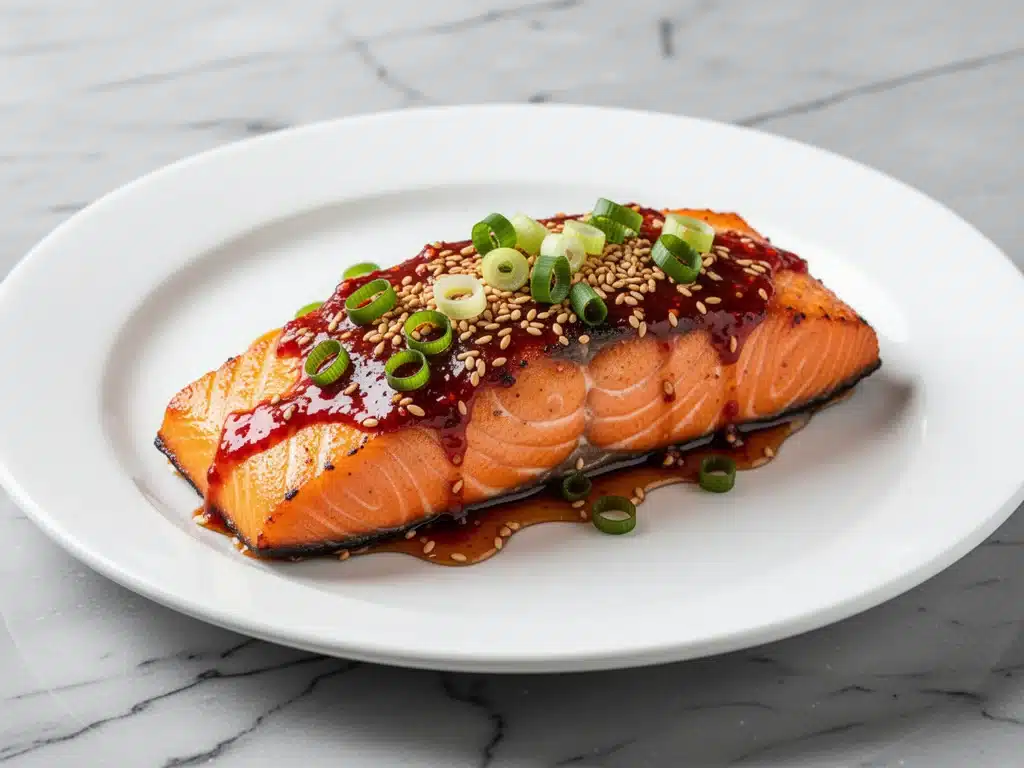
I threw together a quick glaze, tossed the fish in, and slid it under the broiler. The smell that filled the kitchen in five minutes was incredible—sweet, spicy, savory, and just a little bit smoky. It smelled like a restaurant. It tasted like a restaurant.
My kids didn’t complain. My husband asked for seconds. And I didn’t have to clean up a huge mess afterward.
That was the moment I realized I’d stumbled onto something special. Since then, I’ve made this gochujang honey glazed salmon at least six times in the last month. It’s become my secret weapon for busy weeknights when I need dinner to just work. It’s fast, it’s flavorful, and it’s surprisingly healthy without feeling like I’m eating “diet food.”
If you’re tired of the same old chicken breast routine or feeling overwhelmed by complicated recipes that need ten ingredients and an hour of prep, this one is for you. It’s the kind of dish that makes you feel like a culinary genius, even though you barely lifted a finger.
Why You’ll Love This Gochujang Honey Glazed Salmon
There are a lot of reasons to keep this recipe in your regular rotation, but let’s be real—you’re here because you need dinner on the table fast. Here’s why this gochujang honey glazed salmon actually delivers on that promise:
- Stupid Simple — Seriously, if you can mix a bowl and put fish under a broiler, you can make this. I’ve made this while on a phone call. I’ve made this with one hand holding a toddler. It works.
- Lightning Fast — From fridge to fork in about 20 minutes. That’s less time than it takes to order and wait for takeout. And it’s infinitely better than takeout.
- Flavor Bomb — Gochujang is a fermented Korean chili paste that brings this deep, umami-rich heat that ketchup and hot sauce just can’t mimic. Paired with honey, it’s the perfect sweet-spicy balance. It’s addictive.
- Pantry-Friendly — You probably have honey, soy sauce, and garlic in your house right now. The gochujang is the only specialty item, and it lasts forever in the fridge. Once you try it, you’ll never go back.
- Healthy Without Being Boring — Salmon is packed with omega-3s and protein. This glaze is lighter than a creamy butter sauce but still feels indulgent. It’s the kind of dinner that makes you feel good about yourself.
- Minimal Cleanup — You can cook this on a sheet pan or in a skillet. Either way, it’s one dish. I love a one-dish meal because it means less guilt about the pile of dishes in the sink.
This is my go-to when I need dinner to just work. No complicated techniques, no weird ingredients, just reliable, delicious food that makes everyone happy. It’s also a great way to introduce kids to new flavors without them realizing they’re eating something “different.”
Ingredients You’ll Need
Here’s the best part: you probably have most of this already. The star of the show is the glaze, which comes together in about two minutes. Let’s break down what you need and why each piece matters.
For the Glaze
Gochujang paste (2 tablespoons) — This is the Korean chili paste that gives the dish its signature flavor. It’s spicy, sweet, and fermented. Look for it in the Asian aisle of most grocery stores. If you can’t find it, honey mustard chicken skewers is a good alternative if you want that sweet-savory vibe, but gochujang is unique.
Honey (2 tablespoons) — Sweetens the heat and helps the glaze caramelize. You can use maple syrup, but honey gives a nicer sheen. Local honey is nice, but any honey works.
Soy sauce (1 tablespoon) — Adds saltiness and umami. Use low-sodium soy sauce so you can control the salt level. Tamari is a great gluten-free option.
Rice vinegar (1 teaspoon) — Adds a little tang to balance the sweetness. White vinegar works in a pinch, but rice vinegar is milder and more authentic.
Sesame oil (1 teaspoon) — Nutty and fragrant. Don’t skip this. It adds a depth of flavor that makes the dish smell amazing. Toasted sesame oil is best.
Garlic (2 cloves, minced) — Fresh garlic is non-negotiable here. Jarred garlic has a metallic taste that clashes with the delicate fish. Mince it fine so it melts into the glaze.
Ginger (1 teaspoon, fresh grated) — Adds warmth and brightness. Fresh ginger is better than powder. If you don’t have fresh, use ½ teaspoon ground ginger, but it won’t be as bright.
For the Salmon
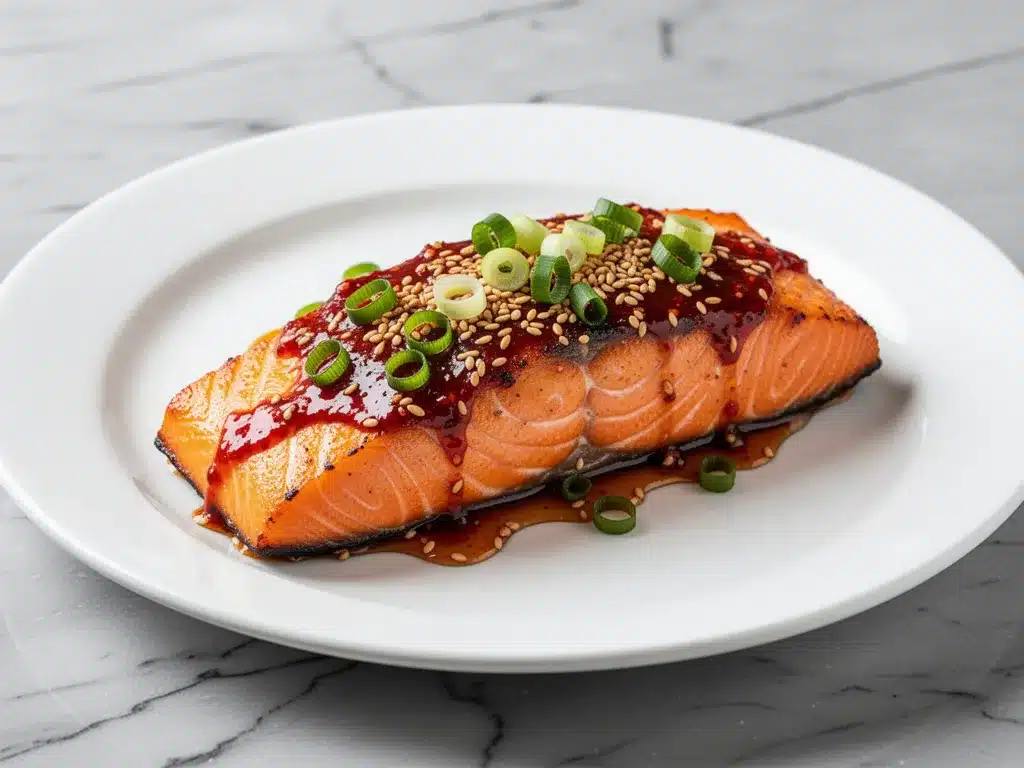
Salmon fillets (4 pieces, about 6 oz each) — Look for fresh, wild-caught salmon if possible. It has better flavor and texture. Skin-on or skinless works, but skin-on helps keep the fish moist.
Salt and black pepper — To season the fish before cooking. Don’t skip this step. It seasons the fish from the inside out.
For the Garnish
Toasted sesame seeds (1 tablespoon) — Adds crunch and visual appeal. You can buy them pre-toasted or toast them yourself in a dry pan for 2 minutes.
Green onions (2, sliced thinly) — Adds a fresh, oniony bite. Chives work too if you prefer something milder.
Sesame seeds (1 tablespoon) — Adds crunch and visual appeal. You can buy them pre-toasted or toast them yourself in a dry pan for 2 minutes.
Green onions (2, sliced thinly) — Adds a fresh, oniony bite. Chives work too if you prefer something milder.
Equipment Needed
You don’t need fancy equipment for this. Here’s what I actually use.
Baking sheet or skillet — I prefer a baking sheet because it’s easier to clean and gives even heat. A cast-iron skillet works great too if you want a crispier edge.
Parchment paper or foil — Lining your baking sheet makes cleanup a breeze. I use parchment paper because it doesn’t stick.
Small mixing bowl — For whisking the glaze together. Any small bowl works.
Pastry brush or spoon — To apply the glaze. A silicone brush is nice because it doesn’t absorb the sauce.
Oven broiler — Most ovens have this. It’s the top heating element that gives you that nice char. If you don’t have a broiler, you can bake at 400°F for 12-15 minutes.
How to Make It: Step-by-Step
Alright, let’s make this! I’m walking you through exactly how I do it, including the little tricks I’ve picked up.
Step 1: Prep Your Oven and Pan (2 minutes)
Preheat your oven to broil on high. Line a baking sheet with parchment paper or foil. This step is crucial because the broiler is intense, and you want to avoid burnt-on sauce.
Step 2: Make the Glaze (2 minutes)
In a small bowl, whisk together the gochujang, honey, soy sauce, rice vinegar, sesame oil, minced garlic, and grated ginger. The mixture should be thick and glossy. If it’s too thick, add a teaspoon of water. Taste it—it should be spicy and sweet. Adjust to your preference.
Step 3: Season the Salmon (1 minute)
Pat the salmon fillets dry with paper towels. This helps the glaze stick. Season both sides with salt and black pepper. Place the fillets on the prepared baking sheet.
Step 4: Apply the Glaze (1 minute)
Brush a generous layer of the gochujang glaze over the top of each salmon fillet. Don’t worry about covering the sides. You want the glaze to caramelize on top.
Step 5: Broil the Salmon (8-10 minutes)
Place the baking sheet under the broiler, about 6 inches from the heat. Cook for 8-10 minutes, depending on the thickness of your fillets. The salmon is done when it flakes easily with a fork and the glaze is bubbly and slightly charred. Keep an eye on it! Broilers vary, and you don’t want to burn the honey.
Step 6: Garnish and Serve (1 minute)
Remove the salmon from the oven. Sprinkle with toasted sesame seeds and sliced green onions. Serve immediately.
Total Time: About 20 minutes (5 minutes prep, 15 minutes cooking)
Expert Tips & Tricks
Here’s everything I’ve learned from making this dozens of times. These tips will save you from my mistakes.
Don’t Overcook the Salmon — Salmon continues to cook after you take it out of the oven. Remove it when it’s just barely opaque in the center. It should be moist and flaky, not dry and chalky. If you’re unsure, use a meat thermometer. 145°F is the safe temp, but I like mine at 135°F for medium.
Watch the Broiler Closely — Broilers can go from perfect to burnt in seconds. The sugar in the honey burns quickly. If your glaze is browning too fast, move the pan to a lower rack or cover it loosely with foil.
Toast Your Sesame Seeds — Raw sesame seeds are fine, but toasted ones have a nutty flavor that pairs perfectly with the glaze. Toast them in a dry skillet over medium heat for 2-3 minutes, shaking frequently, until golden brown.
Use Fresh Ginger — Pre-grated ginger in a tube doesn’t have the same brightness. Fresh ginger adds a zesty kick that makes the dish feel alive. If you don’t have fresh, use ½ teaspoon ground ginger, but it won’t be as vibrant.
Leftover Glaze — If you have extra glaze, don’t throw it away! Brush it on vegetables like broccoli or asparagus before roasting. It’s delicious.
Variations & Substitutions
Once you’ve nailed the basic version, here’s how you can mix it up. I’ve tried all of these.
Spicy Version — Add a teaspoon of sriracha or red pepper flakes to the glaze if you like it hotter. My friend who loves heat adds a dash of sesame oil at the end for extra punch.
Gluten-Free — Use tamari instead of soy sauce. Everything else is naturally gluten-free. I use tamari and it tastes identical.
Dairy-Free — This recipe is already dairy-free, so you’re good to go!
Vegetarian Option — Swap the salmon for firm tofu. Press the tofu, cut into cubes, and bake at 400°F for 20 minutes, then broil with the glaze for 5 minutes. It’s surprisingly good.
Different Fish — You can use this glaze on cod, tilapia, or even shrimp. The cooking time will vary, so adjust accordingly. Shrimp only takes 3-4 minutes under the broiler.
Serving & Storage
How to Serve: I usually serve this straight from the baking sheet at the dinner table—it looks rustic and stays warm. But here are other ways I’ve enjoyed it:
- Rice — Steamed jasmine rice or brown rice soaks up the delicious glaze.
- Noodles — Toss with soba noodles or rice noodles for a stir-fry vibe.
- Vegetables — Roasted broccoli, bok choy, or snap peas complement the fish perfectly.
- Salad — A simple green salad with a sesame dressing balances the richness of the salmon.
Storage Instructions: Store leftovers in an airtight container in the fridge for up to 3 days. The salmon will hold up well, but the texture might change slightly. Reheat gently in the microwave with a splash of water to keep it moist.
Reheating: Avoid the oven if you can—it can dry out the fish. Microwave on medium power for 1-2 minutes, or reheat in a skillet over low heat with a little broth or water.
Freezing: I don’t recommend freezing cooked salmon. It tends to get mushy. Freeze raw salmon with the glaze if you want to meal prep, but add the glaze right before cooking.
Nutrition Information
I’m not a nutritionist, but here’s the breakdown if you’re tracking.
Per Serving (based on 4 servings):
| Nutrient | Amount |
|---|---|
| Calories | 320 |
| Protein | 34g |
| Carbs | 12g |
| Fiber | 0g |
| Sugar | 10g |
| Fat | 14g |
| Saturated Fat | 2g |
| Cholesterol | 85mg |
| Sodium | 450mg |
| Omega-3 | High |
What’s Good: High in protein and omega-3 fatty acids. Low in carbs. The glaze adds some sugar, but it’s balanced by the healthy fats in the salmon.
What to Know: Higher in sodium due to soy sauce and gochujang. Use low-sodium soy sauce to reduce this. Moderate in calories, but very satiating.
Final Thoughts
So that’s my go-to gochujang honey glazed salmon! I’ve probably talked your ear off at this point, but when you make a recipe this often, you have a lot to say about it.
This has saved weeknight dinners more times than I can count. It’s my answer to “what’s for dinner” when I’m tired, don’t want takeout, and still want something that tastes really good. My kids are happy, my husband’s happy, and I’m happy because I’m not stressed about cooking.
Make it yours! Try different add-ins, swap in your favorite vegetables, adjust the spice level. The best recipes are the ones you adapt to your family’s tastes.
If you make this, drop a comment and let me know what you think! I love hearing how recipes turn out in your kitchen. And if something doesn’t work, tell me that too—I’m here to help troubleshoot.
Happy cooking! And I hope your kitchen smells half as good as mine does right now.
Frequently Asked Questions
Q: Can I use a different fish?
A: Absolutely! This glaze works well with cod, tilapia, halibut, and even shrimp. Just adjust the cooking time based on the thickness of the fish. Shrimp only needs 3-4 minutes under the broiler.
Q: Is gochujang very spicy?
A: It has a moderate heat level, similar to sriracha but with more depth and sweetness. If you’re sensitive to spice, start with 1 tablespoon and add more to taste. You can also mix it with a little extra honey to balance it out.
Q: Can I make this in an air fryer?
A: Yes! Cook at 400°F for 8-10 minutes, flipping halfway through. The glaze might drip, so line the basket with parchment paper. It’s a great option if you don’t want to turn on the oven.
Q: Why did my salmon stick to the pan?
A: Make sure your pan is lined with parchment paper or foil. Also, ensure the salmon is dry before applying the glaze. Wet fish sticks more than dry fish.
Q: Can I prepare the glaze ahead of time?
A: Yes! Store the glaze in an airtight container in the fridge for up to 1 week. Shake well before using, as the ingredients may separate.
Q: What sides go well with this?
A> I love serving it with steamed jasmine rice, roasted broccoli, or a simple cucumber salad. The flavors pair beautifully with Asian-inspired sides.
Q: How do I know when the salmon is done?
A: The salmon is done when it flakes easily with a fork and is opaque throughout. The internal temperature should reach 145°F, but I prefer it at 135°F for a moister result.
Pin This Recipe!
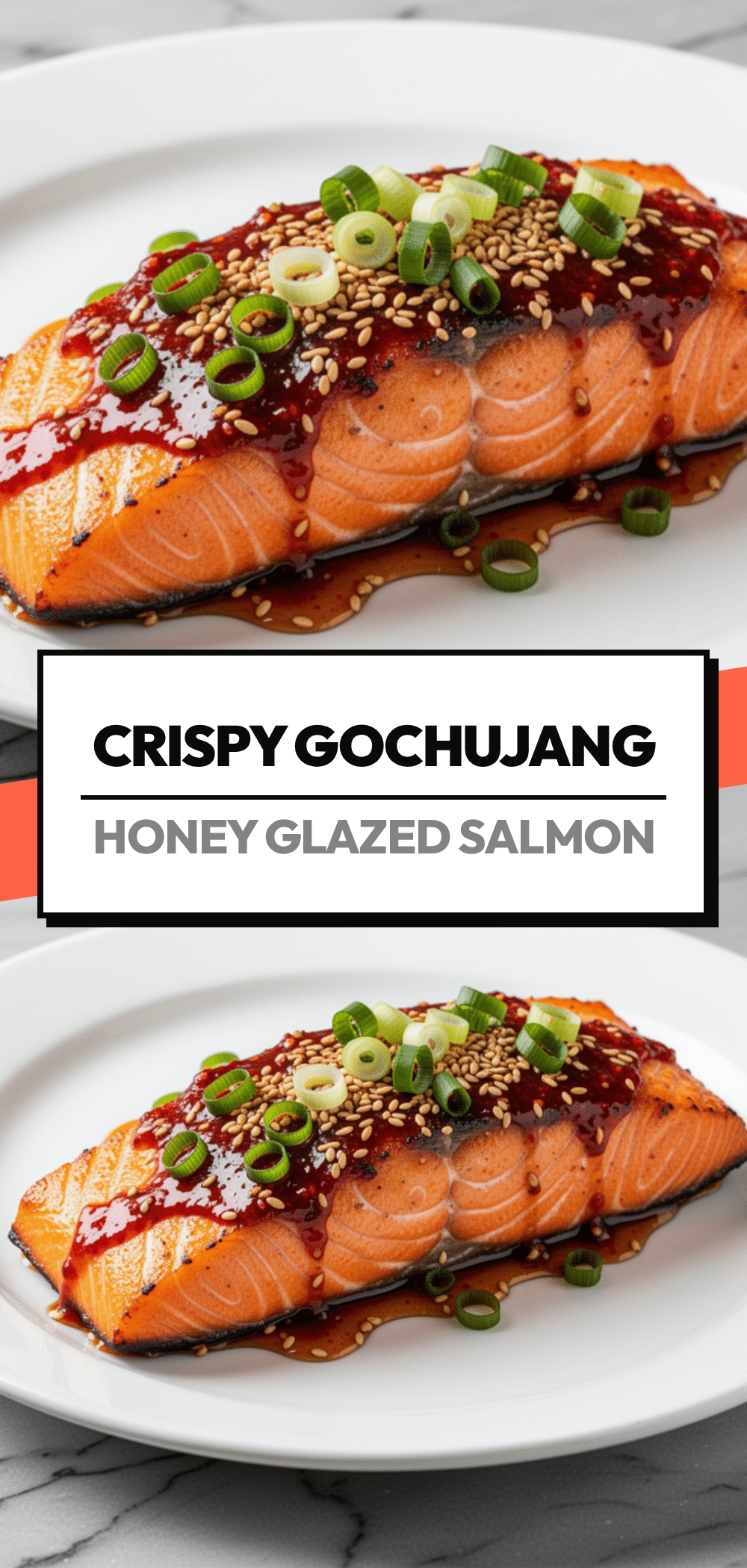
Gochujang Honey Glazed Salmon: Easy 20-Minute Weeknight Dinner
- Total Time: 20 minutes
- Yield: 4 servings 1x
Description
A quick and flavorful weeknight dinner featuring salmon fillets coated in a sweet, spicy, and savory gochujang honey glaze, ready in just 20 minutes.
Ingredients
- 2 tablespoons gochujang paste
- 2 tablespoons honey
- 1 tablespoon soy sauce (or tamari for gluten-free)
- 1 teaspoon rice vinegar
- 1 teaspoon toasted sesame oil
- 2 cloves garlic, minced
- 1 teaspoon fresh ginger, grated
- 4 salmon fillets (about 6 oz each)
- Salt and black pepper
- 1 tablespoon toasted sesame seeds
- 2 green onions, sliced thinly
Instructions
- Preheat oven to broil on high. Line a baking sheet with parchment paper or foil.
- In a small bowl, whisk together gochujang, honey, soy sauce, rice vinegar, sesame oil, minced garlic, and grated ginger until thick and glossy.
- Pat salmon fillets dry with paper towels and season both sides with salt and black pepper. Place fillets on the prepared baking sheet.
- Brush a generous layer of the glaze over the top of each salmon fillet.
- Place the baking sheet under the broiler, about 6 inches from the heat. Cook for 8-10 minutes, or until the salmon flakes easily with a fork and the glaze is bubbly and slightly charred.
- Remove from oven and sprinkle with toasted sesame seeds and sliced green onions. Serve immediately.
Notes
Do not overcook the salmon; it continues to cook after removal from the oven. Watch the broiler closely as the honey can burn quickly. For a gluten-free version, use tamari instead of soy sauce. Leftover glaze can be brushed on vegetables before roasting.
- Prep Time: 5 minutes
- Cook Time: 15 minutes
- Category: Main Course
- Cuisine: Korean-American
Nutrition
- Serving Size: 1 salmon fillet
- Calories: 320
- Sugar: 10
- Sodium: 450
- Fat: 14
- Saturated Fat: 2
- Carbohydrates: 12
- Protein: 34
Keywords: gochujang, honey glazed salmon, quick dinner, weeknight meal, healthy salmon, spicy salmon, 20 minute recipes, broiled salmon


