
Last November, I was exhausted. You know that specific kind of tired where you come home from work, the house is quiet, and the last thing you want to do is stand over a stove? I had a bag of butternut squash that was slowly turning into mush in my fridge and a head of broccoli that was threatening to go gray. I didn’t have the energy for a complex meal. I didn’t want takeout. I just wanted something warm, something that tasted like autumn, and something that wouldn’t leave me sluggish an hour later.
So, I threw everything on a baking sheet. Squash, broccoli, sweet potatoes, onions. I drizzled it with olive oil, added a tablespoon of maple syrup, a teaspoon of Dijon mustard, and tossed it all together. I put it in the oven and forgot about it for ten minutes. When I smelled it, I rushed back to the kitchen, panicked that I’d burned the house down. Instead, I found the best-smelling thing in the house: caramelized, sweet, savory, and deeply comforting.
I took a bite. It wasn’t just “okay” roasted vegetables. It was crispy. It was sweet but tangy. It was actually delicious. That night, I realized I had been doing roasted veggies wrong for years. I was boiling them or steaming them into submission. But when you get real caramelization, when you let the natural sugars in the vegetables meet the heat and the maple syrup, something magical happens.
That night became a weekly ritual. I’ve made this fall maple dijon roasted veggies with crispy edges recipe at least fifteen times since. It’s my go-to when I need dinner to just work. It’s high in fiber, it keeps my energy stable through the evening, and it tastes like a treat, not a chore. If you’ve ever stared at a tray of soggy, sad greens and felt defeated, this recipe is your rescue mission. It’s simple, it’s fast, and it delivers flavor that makes you forget you’re eating vegetables.
Why You’ll Love This Fall Maple Dijon Roasted Veggies Recipe
Here’s the thing about this recipe: it solves the biggest problem with healthy eating. It doesn’t taste like healthy eating. It tastes like comfort food. Here is why this fall maple dijon roasted veggies with crispy edges has earned a permanent spot in my weekly rotation.
- Zero Prep Anxiety — I make this after getting home at 7pm. You chop, you toss, you bake. No sautéing, no stirring, no standing over hot oil. It’s hands-off cooking that actually works.
- Crispy Edges Every Time — The secret is the Dijon and maple syrup combo. The mustard helps the oil adhere, and the sugar in the syrup caramelizes. I’ve tried other glazes, but this one creates those addictive, crunchy little edges that make you dig for the pieces at the bottom of the pan.
- Fiber That Actually Fuels You — Most side dishes are just empty carbs. This mix of root vegetables and cruciferous greens gives you a serious fiber boost. I feel full and satisfied, not like I need a nap three minutes after eating.
- Pantry Staple Friendly — You probably already have Dijon mustard and maple syrup. You don’t need exotic spices or expensive ingredients. It’s accessible, affordable cooking.
- Leftovers That Taste Better — I know, I know. I used to think leftover roasted veggies were sad. Not this one. The flavors meld overnight. I often eat this cold or reheated for lunch the next day, and it’s still amazing.
This is my go-to when dinner needs to just work. It’s reliable, it’s tasty, and it makes me feel like I’m taking care of myself without feeling like I’m on a diet.
Key Ingredients for the Best Roasted Veggies
Let’s talk about what goes into the bowl. The beauty of this fall maple dijon roasted veggies with crispy edges recipe is its simplicity, but the quality of ingredients matters. Here is exactly what you need and why I insist on these specifics.
Butternut Squash (2 lbs / 900g) — This is the star. Look for a squash that feels heavy for its size. Peel it, remove the seeds, and cube it into 1-inch pieces. Smaller cubes burn; larger cubes stay raw. One inch is the sweet spot for even cooking and crispy edges.
Broccoli Florets (2 cups / 150g) — Don’t skip the broccoli. It adds a nice bitter contrast to the sweet squash. Cut the florets into bite-sized pieces, keeping some stems for crunch. I usually peel the tough outer stem and slice it thinly.
Sweet Potatoes (1 large / 300g) — For extra sweetness and that deep orange color that screams “fall.” Peel them if you prefer a smoother texture, but leaving the skin on adds more fiber. Cube them to match the squash size.
Red Onion (1 medium / 150g) — Red onion adds a pop of color and a sharper bite that mellows out in the oven. Slice it into thick wedges so they don’t disintegrate into mush.
Dijon Mustard (1 tbsp / 15g) — This is the non-negotiable secret. It adds tang and helps the glaze stick. Do not use yellow mustard. It has no place here. Dijon has the depth and spice needed to balance the maple.
Pure Maple Syrup (2 tbsp / 30ml) — Not pancake syrup. Real maple syrup. The real stuff has complex flavors and natural sugars that caramelize beautifully. Artificial maple syrup will just make your veggies sticky and weird.
Extra Virgin Olive Oil (3 tbsp / 45ml) — You need enough oil to coat the veggies well. Don’t be shy here. Without enough fat, the veggies will dry out instead of roasting. Olive oil also adds a fruity note that pairs well with the maple.
Garlic (3 cloves / 1 tbsp minced) — Fresh garlic only. Jarred garlic tastes metallic and bitter when roasted. Mince it finely so it distributes evenly without burning.
Sea Salt and Black Pepper (to taste) — Use flaky sea salt if you have it for finishing, but kosher salt is great for seasoning before roasting. Fresh cracked black pepper adds warmth.
Thyme (1 tsp fresh or ½ tsp dried) — Fresh thyme leaves stripped from the stem add an earthy, herbal note. If you don’t have fresh, dried works, but fresh is better. I keep a pot of thyme on my windowsill in the fall.
Tools Needed
You don’t need fancy equipment. Here’s what I use, and what you can swap.
Large Rimmed Baking Sheet — I use a 18×13 inch half-sheet pan. This size is crucial. If your pan is too small, the veggies will steam instead of roast. You need space between the pieces.
Parchment Paper — I line my pan. It makes cleanup effortless. If you prefer less waste, you can use a silicone baking mat, but parchment is my go-to for easy release.
Large Mixing Bowl — A bowl big enough to toss the veggies without spilling. I use a 6-quart bowl.
Sharp Chef’s Knife — For clean cuts. Dull knives slip and are dangerous. A good knife makes chopping the squash and onions much faster.
Measuring Spoons — For the mustard and maple syrup. Precision helps balance the flavor.
How to Make Fall Maple Dijon Roasted Veggies with Crispy Edges
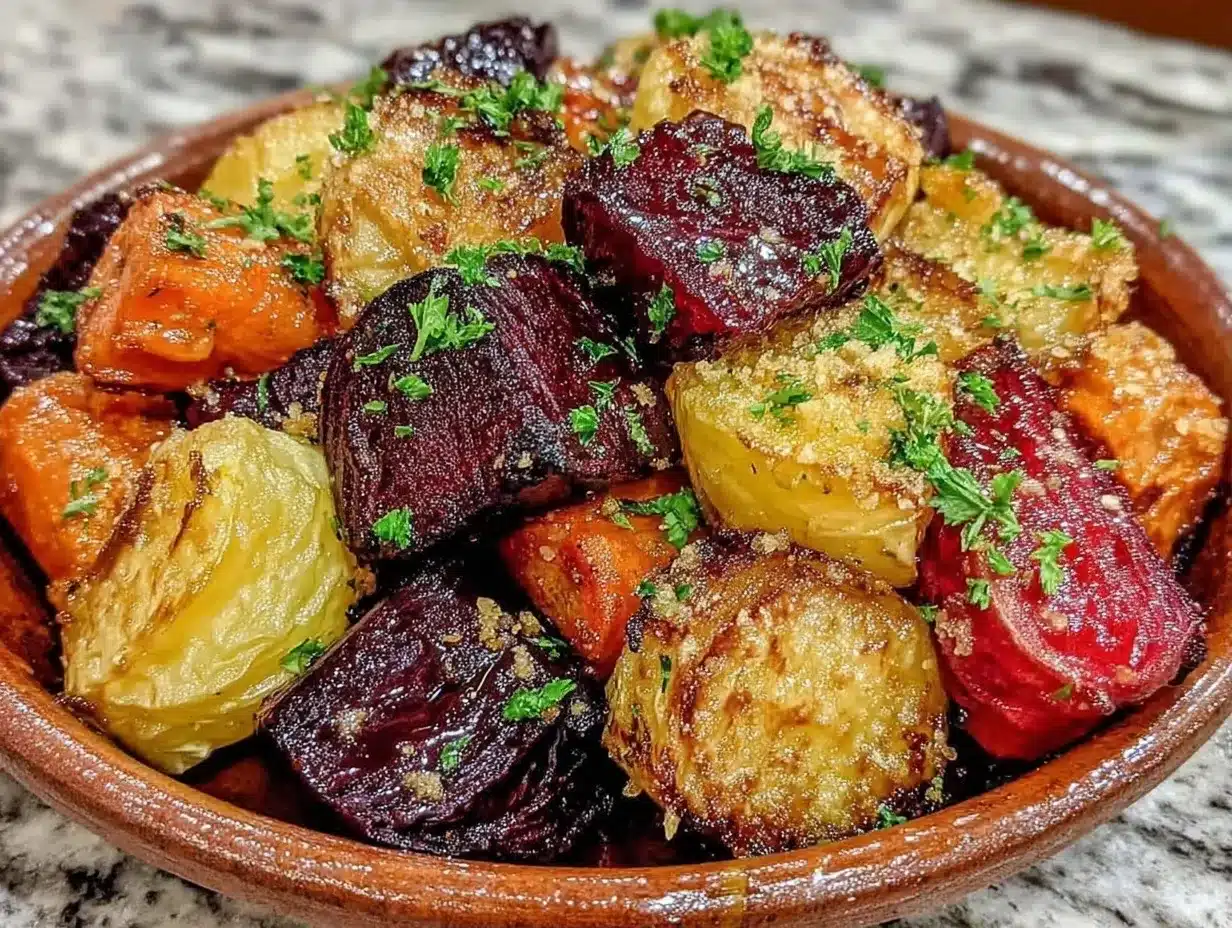
Let’s get cooking. This process is straightforward, but timing is everything. Follow these steps exactly for the best results.
Step 1: Prep the Oven and Pan (5 minutes)
Preheat your oven to 425°F (220°C). This high heat is essential for caramelization. If you cook at a lower temperature, the veggies will just dry out. Line your large baking sheet with parchment paper. This ensures nothing sticks and makes cleanup a breeze.
Step 2: Chop the Vegetables (10 minutes)
Wash and dry your vegetables. Moisture is the enemy of crispiness, so pat them dry if they’re wet. Cube the butternut squash and sweet potatoes into 1-inch pieces. Cut the broccoli into florets. Slice the red onion into wedges. Try to keep the sizes consistent so everything cooks at the same rate. If you have large broccoli florets, cut them in half.
Step 3: Make the Glaze (2 minutes)
In a small bowl, whisk together the olive oil, Dijon mustard, maple syrup, minced garlic, dried thyme, salt, and pepper. The mixture should look emulsified and slightly thick. If it’s too thick, add a teaspoon of water. If it’s too thin, add a bit more mustard.
Step 4: Toss the Veggies (3 minutes)
Place all the chopped vegetables in your large mixing bowl. Pour the glaze over them. Use your hands or a large spoon to toss everything until every piece is evenly coated. This step is satisfying. Make sure no piece is left dry.
Step 5: Arrange on the Pan (2 minutes)
Transfer the veggies to the prepared baking sheet. This is the most important step for crispy edges. Spread them out in a single layer. Do not crowd the pan! If the pieces are touching, they will steam. Give each piece room to breathe. If you’re making a large batch, use two pans.
Step 6: Roast (25-30 minutes)
Place the pan in the preheated oven. Roast for 25-30 minutes. At the 15-minute mark, pull the pan out and toss the veggies. This ensures even browning. Look for the edges to be dark golden brown and crispy. The squash should be tender when pierced with a fork. The broccoli should have crispy, charred edges.
Total Time: 45 minutes (15 prep, 30 roast).
Expert Tips from My Kitchen
Here’s everything I learned from making this too many times. These tips will save you from soggy veggies.
Don’t Crowd the Pan
This is the #1 mistake. When I first started, I piled everything onto one pan to save time. The result? Steamed, mushy vegetables. Real talk: if you want crispy edges, you need space. Use two pans if you have to. It’s worth it.
Dry Your Veggies
After washing, make sure your vegetables are dry. Water creates steam. Steam prevents browning. I keep a kitchen towel handy to pat them dry. It takes an extra minute but changes the texture completely.
High Heat is Key
425°F is the magic number. Lower temps don’t caramelize the sugars fast enough. Higher temps might burn the garlic before the squash is cooked. Stick to 425°F for the perfect balance.
Common Problems & Solutions
- Veggies are burning: Your oven runs hot. Check at 20 minutes. If they’re browning too fast, cover loosely with foil.
- Glaze is running off: You didn’t use enough oil or mustard. The mustard acts as an emulsifier. Ensure the glaze is thick enough to cling.
- Broccoli is mushy: Add broccoli later. Root vegetables take longer. Add broccoli at the 15-minute mark if you’re roasting for 30 minutes.
Pro Trick: The Broil Finish
If your veggies are tender but not crispy enough, turn the broiler on for the last 2-3 minutes. Watch them like a hawk! They go from perfect to burnt in seconds. This gives you that extra char.
Recipe Variations
Once you’ve nailed the basic version, here’s how to mix it up. This fall maple dijon roasted veggies with crispy edges recipe is a framework, not a rulebook.
Autumn Harvest Mix
Add chopped Brussels sprouts and apples. The apples caramelize beautifully and add a fresh crunch. I love this version in October.
Spicy Kick
Add red pepper flakes to the glaze. Or, toss the veggies with a little cayenne powder. It pairs surprisingly well with the maple syrup.
Gluten-Free & Vegan
This recipe is naturally gluten-free and vegan. Just ensure your Dijon mustard and maple syrup are certified gluten-free if you have celiac disease (most are, but check labels).
Protein Boost
Toss in chickpeas or cubed tofu at the 15-minute mark. They’ll crisp up nicely and add protein. I often serve this alongside my crispy air fryer chicken thighs for a complete meal.
Herb Swap
No thyme? Use rosemary or sage. Sage is especially good with squash. Or skip herbs entirely for a pure sweet-and-savory profile.
Serving & Storage
Serving:
I serve this warm, straight from the oven. It’s fantastic as a side dish for roasted chicken or pork. It also works well as a light lunch over quinoa. Top with toasted pumpkin seeds or pomegranate seeds for extra texture and color. It looks beautiful on a plate.
Storage:
Store leftovers in an airtight container in the refrigerator for up to 4 days. The veggies hold up well, though they may soften slightly. Reheat in the oven or toaster oven at 350°F to restore crispiness. The microwave will make them soft, so avoid it if you want texture.
Freezing:
Honestly, this doesn’t freeze well. The texture of roasted vegetables changes after freezing and thawing. They become watery and mushy. I recommend making fresh batches. It’s fast enough that freezing isn’t worth the hassle.
Nutrition Information
I’m not a nutritionist, but here’s the breakdown per serving (assuming 4 servings).
| Nutrient | Amount |
|---|---|
| Calories | 180 kcal |
| Protein | 4g |
| Carbs | 28g |
| Fiber | 6g |
| Fat | 8g |
| Sodium | 250mg |
My Take:
This is comfort food with real ingredients. It’s not diet food, but it’s better than takeout and I know what’s in it. The fiber from the vegetables keeps you full, and the healthy fats from the olive oil satisfy your cravings. It’s fuel that tastes good.
Final Thoughts
This fall maple dijon roasted veggies with crispy edges recipe is more than just a side dish. It’s a reminder that healthy eating doesn’t have to be boring or complicated. It’s about finding flavors that excite you and ingredients that make you feel good. I hope this recipe becomes a staple in your kitchen, just like it has in mine.
If you make this, drop a comment! I love hearing how it turns out in your kitchen. Did you add extra spice? Did you swap out a vegetable? Share your variations. And if you’re looking for more easy, flavorful recipes, check out my labor day honey mustard chicken skewers for a protein-packed main course that pairs perfectly with these veggies.
Happy cooking!
FAQs
Can I use frozen vegetables?
I don’t recommend it. Frozen vegetables release a lot of water as they thaw, which leads to steaming instead of roasting. You’ll end up with soggy veggies. Fresh is always best for this recipe. If you must use frozen, thaw and pat them extremely dry first, but the texture won’t be the same.
Why did my veggies turn out soggy?
Most likely, you crowded the pan. Veggies need space to roast. If they’re touching, they steam. Also, check your oven temperature. If it’s not hot enough, they won’t caramelize. Make sure your oven is fully preheated before putting the pan in.
Can I make this ahead of time?
You can prep the vegetables and chop them a day in advance. Store them in airtight containers in the fridge. When you’re ready to cook, just toss them with the glaze and roast. This saves time on weeknights.
What if I don’t have Dijon mustard?
You can use whole grain mustard, but the flavor will be different. Yellow mustard is not a good substitute as it’s too vinegar-forward and lacks depth. If you have no mustard, just use olive oil, maple syrup, and garlic. It will still be good, but less complex.
How do I store leftovers?
Store in an airtight container in the refrigerator for up to 4 days. Reheat in the oven or toaster oven to keep them crispy. Avoid the microwave if you want to maintain texture.
Can I add protein to this?
Yes! Chickpeas, tofu, or tempeh work well. Add them to the pan for the last 15 minutes of roasting so they crisp up without burning. I also love serving this with smoked sausage pepper skewers for a hearty meal.
Pin This Recipe!
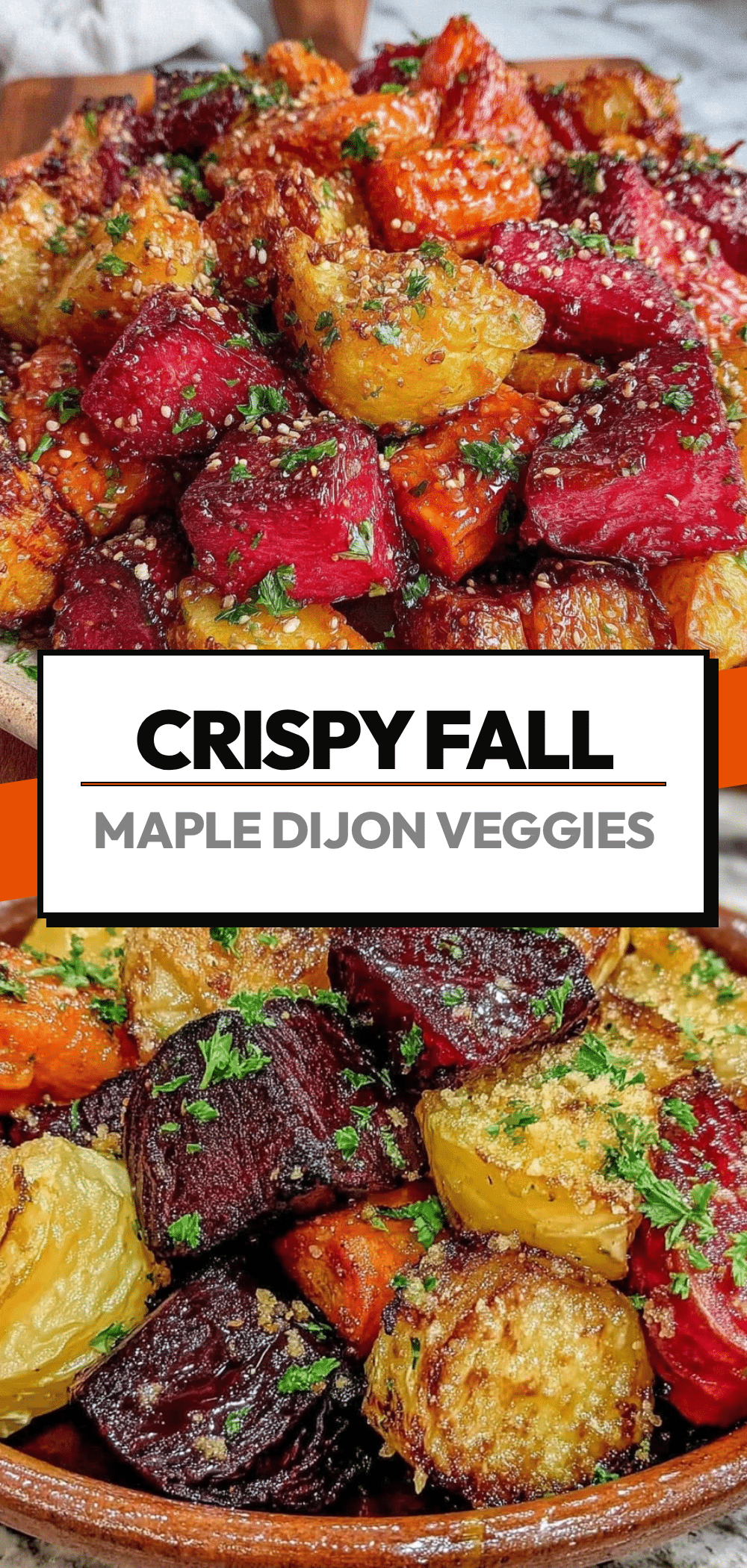

Fall Maple Dijon Roasted Veggies: Easy 30-Min Fiber Fuel
- Total Time: 45 minutes
- Yield: 4 servings 1x
Description
A simple, high-fiber roasted vegetable recipe featuring butternut squash, broccoli, and sweet potatoes tossed in a sweet and tangy maple Dijon glaze for crispy, caramelized edges.
Ingredients
- 2 lbs butternut squash, peeled, seeded, and cubed into 1-inch pieces
- 2 cups broccoli florets, cut into bite-sized pieces
- 1 large sweet potato (300g), peeled or unpeeled, cubed to match squash size
- 1 medium red onion (150g), sliced into thick wedges
- 1 tbsp Dijon mustard
- 2 tbsp pure maple syrup
- 3 tbsp extra virgin olive oil
- 3 cloves garlic, minced
- 1 tsp fresh thyme leaves (or ½ tsp dried)
- Sea salt and black pepper, to taste
Instructions
- Preheat oven to 425°F (220°C). Line a large rimmed baking sheet with parchment paper.
- Wash and thoroughly dry all vegetables to ensure crispiness. Cube the squash and sweet potatoes, cut broccoli into florets, and slice the onion into wedges.
- In a small bowl, whisk together olive oil, Dijon mustard, maple syrup, minced garlic, thyme, salt, and pepper until emulsified.
- Place all chopped vegetables in a large mixing bowl. Pour the glaze over them and toss until every piece is evenly coated.
- Transfer vegetables to the prepared baking sheet, spreading them out in a single layer with space between pieces to prevent steaming.
- Roast for 25-30 minutes. At the 15-minute mark, remove the pan and toss the veggies to ensure even browning.
- Continue roasting until edges are dark golden brown and crispy, and squash is tender when pierced with a fork.
- Optional: Broil for the last 2-3 minutes for extra char, watching closely to prevent burning.
Notes
Do not crowd the pan; use two pans if necessary to ensure vegetables roast rather than steam. Ensure vegetables are dry before tossing with oil to maximize crispiness. If broccoli becomes mushy, add it to the pan during the last 15 minutes of roasting. This recipe is naturally gluten-free and vegan.
- Prep Time: 15 minutes
- Cook Time: 30 minutes
- Category: Side Dish
- Cuisine: American
Nutrition
- Serving Size: Approximately 1.5 cu
- Calories: 180
- Sugar: 12
- Sodium: 250
- Fat: 8
- Saturated Fat: 1
- Carbohydrates: 28
- Fiber: 6
- Protein: 4
Keywords: roasted vegetables, maple dijon, butternut squash, sweet potatoes, broccoli, healthy side dish, fall recipes, vegan, gluten-free, crispy roasted veggies


