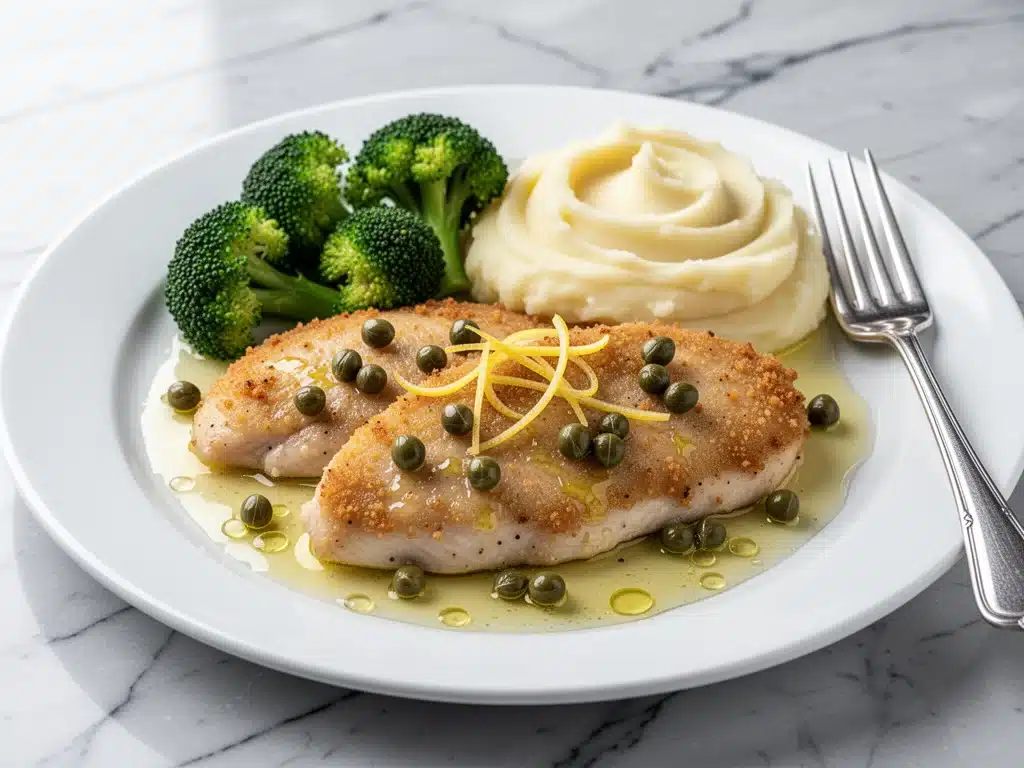
It was a rainy Tuesday in November, the kind where the gray sky presses against the kitchen window and you’re pretty sure you’ve already had three cups of coffee but still feel like you haven’t slept in days. My husband had mentioned, in that gentle way he does when he knows I’m stressed, that he was craving the chicken piccata from that little Italian place downtown. You know the one. The one with the white tablecloths and the menu written in Italian so small you need a magnifying glass to read it.
Now, here’s the thing: I’ve always been intimidated by chicken piccata. It’s one of those dishes that sounds simple—breaded chicken, lemon sauce, capers—but looks terrifyingly elegant when it lands on the plate. I’d tried making it before. A lot of times. And every time, it ended up with one of two disasters: either the chicken was rubbery and dry, or the sauce was a thin, watery mess that tasted like nothing but salt and regret.
So, when he asked for it, I panicked. I could order takeout, sure. But I also knew that takeout version is often just fried chicken smothered in a sugary lemon glaze. It’s not authentic. It’s not what I wanted. I wanted the real deal. The bright, tangy, buttery, caper-packed masterpiece that tastes like a vacation in Rome.
I stood there in my pajamas, staring at the recipe app on my phone, feeling that familiar knot of culinary anxiety. Then I remembered something my nonna used to say: “The secret isn’t in the technique, it’s in the respect for the ingredients.” So I closed the app. I ignored the complicated methods I’d seen online. I went back to basics. And what came out of my kitchen that night wasn’t just good. It was better than takeout. It was better than the restaurant. It was, honestly, the best chicken piccata I’ve ever had.
This authentic Italian chicken piccata with capers and white wine is my redemption story. It’s the recipe I make when I need to feel like a professional chef, but I only have 30 minutes. It’s the dish that makes my husband do that little happy dance in the kitchen. And it’s the recipe that finally proved to me that restaurant-quality food doesn’t require a culinary degree. It just requires confidence, good butter, and a willingness to embrace the capers.
Why You’ll Love This Chicken Piccata Recipe
Once I cracked the code on this dish, it became a staple in our rotation. Not because it’s complicated, but because it delivers such a massive flavor payoff for such little effort. Here’s why this chicken piccata with capers and white wine has earned a permanent spot in your meal planning:
Restaurant-Quality in Under 30 Minutes — Seriously. From the moment you start pounding the chicken breasts to the moment you plate it, it’s about 25 minutes. I’ve timed it. I’ve done it while on a Zoom call. I’ve done it while my dog was barking at a squirrel. It works. The key is prepping everything before you turn on the stove because the cooking happens fast.
The Sauce is Liquid Gold — This isn’t just a drizzle. This is a rich, emulsified lemon-caper-wine sauce that clings to every bite. The combination of deglazing the pan with white wine and finishing with cold butter creates a velvety texture that feels indulgent but is surprisingly light. It’s the kind of sauce you’ll want to spoon over crusty bread afterwards. (Don’t judge me.)
Perfectly Tender Chicken Every Time — The secret to non-rubbery chicken piccata is pounding the breasts to an even thickness. It sounds fussy, but it ensures the chicken cooks evenly and stays juicy. Plus, the light dusting of flour creates that delicate, golden crust that shatters slightly when you cut into it. It’s the perfect contrast to the tender meat inside.
Capers Add That Salty Punch — I know, I know. Some people are afraid of capers. They’re briny, they’re small, they’re intense. But in this recipe, they’re the star. They cut through the richness of the butter and the acidity of the lemon, creating a flavor profile that is bright, savory, and addictive. Once you try it this way, you’ll never buy canned chicken piccata sauce again.
Better Than Takeout (And Cheaper) — Let’s be real. The takeout version often comes in a plastic container and tastes a bit greasy. This version? It’s fresh. It’s vibrant. It’s made with real lemon juice, not bottled stuff. And it costs about $8 to feed four people, compared to $30 for takeout. That’s a win in my book.
This recipe has saved me from takeout fatigue more times than I can count. It’s elegant enough for a dinner party but easy enough for a weeknight when you’re exhausted. My kids, who usually pick at their food, ask for seconds. My friends ask for the recipe. And I’m happy to give it to them, because this chicken piccata is too good to keep to myself.
Ingredients You’ll Need for Authentic Chicken Piccata
Here’s the beauty of this recipe: the ingredient list is short, but every single item matters. I’m not exaggerating when I say that swapping one thing can change the entire dish. So let’s talk about what you need and why.
Chicken Breasts (4 large, boneless, skinless) — This is your foundation. Look for chicken breasts that are relatively uniform in size so they cook evenly. If they’re huge, you might need to pound them thinner. I prefer organic, free-range chicken when possible—it just tastes cleaner and more tender. But standard grocery store chicken works fine if you don’t skimp on the seasoning.
All-Purpose Flour (about ½ cup / 60g) — You’re not making a thick batter. You’re just dusting the chicken. The flour creates that golden crust and helps thicken the sauce later. I use a shallow plate for dredging. Season the flour with salt and pepper before you dredge—this is where you build flavor from the inside out.
Unsalted Butter (½ cup / 113g) — Yes, half a cup. Don’t gasp. This is what makes the sauce luxurious. I use high-quality European-style butter if I can find it, but standard unsalted butter works perfectly. The key is to use unsalted so you can control the sodium, especially since capers are already salty.
Olive Oil (2 tablespoons) — I use a neutral olive oil for frying the chicken because it has a higher smoke point. Extra virgin olive oil can burn at the high heat needed for searing. This oil gives the chicken a nice color without overpowering the delicate lemon flavor.
Dry White Wine (½ cup / 120ml) — This is non-negotiable for authentic flavor. I use a Pinot Grigio or a Sauvignon Blanc. Something crisp and dry. Do not use a wine you wouldn’t drink. And no cooking wine from the vinegar aisle—it tastes like chemicals. The wine deglazes the pan, lifting all those browned bits (fond) that are packed with flavor.
Chicken Broth (½ cup / 120ml) — Low-sodium is best here. You want the broth to add body to the sauce without making it too salty. Vegetable broth works if you’re keeping it vegetarian-friendly (though the chicken is the main event here).
Fresh Lemon Juice (½ cup / 120ml, from about 2-3 lemons) — Bottled lemon juice is a no-go. It tastes metallic and flat. Freshly squeezed lemon juice is bright and vibrant. I juice my lemons right before cooking. If you’re feeling fancy, save a strip of lemon zest to garnish at the end.
Capers (3 tablespoons, drained) — The briny jewels of this dish. I buy them from a jar, not a can. Jarred capers are usually better quality and less mushy. Rinse them if they seem overly salty, but don’t soak them—you’ll lose the flavor. They should be plump and green, not brown.
Fresh Parsley (¼ cup, chopped) — Flat-leaf parsley is best. It has a cleaner, more herbal taste than curly parsley. It’s added at the very end to keep its color and freshness. It brightens up the whole dish.
Salt and Black Pepper — To taste. I use kosher salt for seasoning the chicken and the flour. Freshly cracked black pepper adds a nice heat. Don’t be shy with the pepper; it balances the acidity of the lemon.
Optional: Lemon Slices — For garnish. Thinly sliced lemons look beautiful on the plate and add a visual pop of color. They’re also great for guests who want to squeeze a little extra lemon over their portion.
Equipment Needed
You don’t need a fancy kitchen to make this. Here’s what I actually use, and what you can swap if you don’t have it.
Large Skillet — I use a 12-inch stainless steel skillet. It heats evenly and allows me to sear the chicken without crowding. Cast iron works too, but stainless steel gives a nicer crust. If you don’t have a 12-inch, use two smaller skillets. Do not overcrowd the pan!
Meat Mallet or Rolling Pin — To pound the chicken breasts. This is crucial. I have a metal meat mallet, but a heavy rolling pin or even a heavy-bottomed pan works. The goal is to get the chicken to about ¼-inch thick.
Shallow Plates — For dredging the chicken in flour. I use two plates: one for the flour, one for the cooked chicken.
Wooden Spoon or Silicone Spatula — For stirring the sauce. You’ll need to scrape the bottom of the pan to deglaze it. A wooden spoon is great for this.
Microplane or Zester — Optional, but I love adding a little lemon zest to the sauce for extra aroma.
Measuring Cups and Spoons — Standard stuff. You don’t need to be perfect, but having the right ratios helps.
Colander — To drain the capers. Or just use a spoon to scoop them out.
Tongs — For flipping the chicken. They make it easier to handle the hot chicken without breaking the crust.
I’m not saying you need all of this fancy gear. I’ve made this with a non-stick pan and a rolling pin. But having the right tools makes the process smoother and the results more consistent. Invest in a good skillet—it’s the workhorse of any kitchen.
How to Make Authentic Chicken Piccata: Step-by-Step
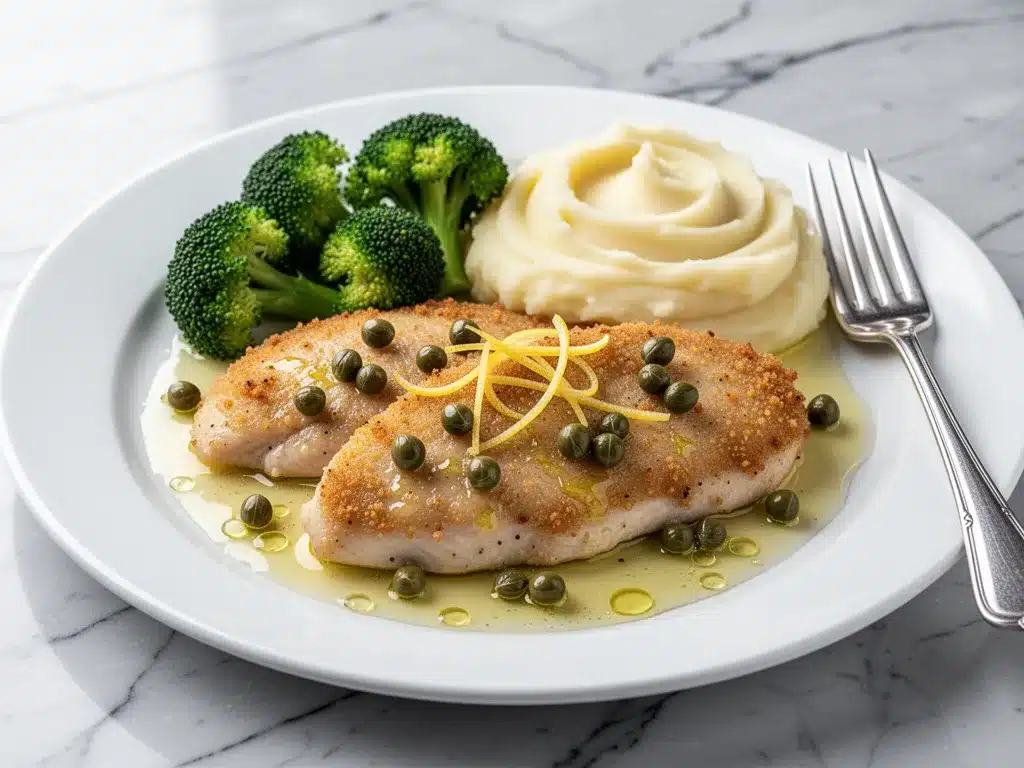
Alright, let’s make this! I’m walking you through exactly how I do it, including the little tricks I’ve picked up over the years. This process is straightforward, but timing is everything.
Step 1: Prepare the Chicken (5 minutes)
Start by placing the chicken breasts between two sheets of plastic wrap or in a large zip-top bag. Use your meat mallet or rolling pin to pound them to an even ¼-inch thickness. This is non-negotiable. If the chicken is uneven, some parts will be raw while others are dry. Once pounded, pat them dry with paper towels. This helps the flour stick and ensures a good sear.
Step 2: Dredge in Flour (3 minutes)
Season the flour with salt and pepper on a shallow plate. Dredge each chicken breast in the flour, shaking off any excess. You want a light dusting, not a thick coating. Place the coated chicken on a clean plate. If the flour looks clumpy, give it a gentle shake.
Step 3: Sear the Chicken (6-8 minutes)
Heat the olive oil in your large skillet over medium-high heat. Once the oil is shimmering (but not smoking), add the chicken breasts. Don’t overcrowd the pan! Sear for 3-4 minutes on one side until golden brown. Flip and cook for another 3-4 minutes on the other side. The chicken should be cooked through (internal temperature of 165°F / 74°C). Remove the chicken to a plate and tent with foil. Do not wipe out the pan—we want those browned bits!
Step 4: Deglaze with Wine (2 minutes)
Reduce the heat to medium. Pour in the white wine. It will sizzle and steam. Use your wooden spoon to scrape up all the browned bits from the bottom of the pan. This is called deglazing, and it’s where the flavor lives. Let the wine simmer for 2 minutes to cook off the alcohol.
Step 5: Build the Sauce (3 minutes)
Add the chicken broth and lemon juice to the pan. Stir to combine. Let it simmer for 2-3 minutes until it reduces slightly. The sauce should coat the back of a spoon. If it looks too thin, let it cook a bit longer. If it looks too thick, add a splash more broth.
Step 6: Finish with Butter and Capers (2 minutes)
Reduce the heat to low. Add the capers and chopped parsley. Stir in the cold butter, one tablespoon at a time, whisking constantly. The sauce will emulsify and become creamy and glossy. This step is called “monter au beurre,” and it’s what gives the sauce its restaurant-quality finish. Taste and adjust salt and pepper if needed. Remember, capers are salty, so go easy on the salt.
Step 7: Serve
Return the chicken to the pan, spooning the sauce over the top. Let it sit for a minute to reheat. Serve immediately, garnished with lemon slices and extra parsley. Pair with crusty bread to soak up every drop of sauce.
Total time is about 25 minutes. It’s fast, it’s delicious, and it’s totally worth the effort.
Expert Tips & Tricks for Perfect Piccata
Here’s everything I’ve learned from making this dozens of times. These tips will save you from my mistakes.
Don’t Skip the Pounding — I know it’s extra work, but even chicken breasts will cook unevenly if they’re thick. Pounding ensures tender, juicy chicken every time. If you’re lazy, buy thin-sliced chicken cutlets, but they’re often more expensive.
Pat the Chicken Dry — Wet chicken steams instead of sears. Use paper towels to get the surface as dry as possible before dredging. This ensures a crispy crust.
Use Cold Butter — Adding cold butter at the end helps create a smooth, emulsified sauce. If the butter is warm, it might separate. Whisk it in slowly over low heat.
Don’t Overcrowd the Pan — If you put too much chicken in the pan at once, the temperature drops, and the chicken steams instead of searing. Cook in batches if necessary. It’s worth the extra few minutes.
Reserve Pasta Water — If you’re serving this over pasta, save some of the starchy pasta water. You can add a splash to the sauce if it’s too thick. It helps the sauce cling to the pasta.
Taste as You Go — Capers and lemon can vary in intensity. Taste the sauce before serving and adjust. Need more acid? Add a squeeze of lemon. Need more salt? Add a pinch. Need more richness? Add another pat of butter.
Make Ahead Sauce — You can make the sauce up to 2 days ahead. Store it in the fridge. Reheat gently before adding the butter and capers. The chicken should be cooked fresh.
Variations & Substitutions
Once you’ve mastered the basic version, here’s how you can mix it up. I’ve tried all of these.
Veal Piccata — Traditionally, piccata is made with veal. If you can find it, use veal cutlets. It’s more tender and has a more delicate flavor. Cook it just like the chicken.
Salmon Piccata — Yes, you can make this with salmon! Use salmon fillets instead of chicken. Cook them for 3-4 minutes per side. The lemon and capers pair beautifully with fish. It’s a lighter option.
Gluten-Free — Use almond flour or rice flour instead of all-purpose flour for dredging. It works just as well. The sauce is naturally gluten-free if you use a gluten-free broth.
Lower Fat — Reduce the butter to ¼ cup. It’s still good, but less rich. You can also use half-and-half instead of some of the butter for a lighter finish.
Herb Variations — Swap parsley for thyme or rosemary. Thyme adds an earthy note that pairs well with lemon. Rosemary is stronger, so use less.
Spicy Piccata — Add a pinch of red pepper flakes to the sauce. It adds a nice kick that balances the acidity.
Serving & Storage
How to Serve: I usually serve this straight from the skillet at the dinner table—it looks rustic and stays warm. But here are other ways I’ve enjoyed it:
Side Dishes:
- Creamy mashed potatoes (classic comfort)
- Angel hair pasta or linguine (to soak up the sauce)
- Steamed asparagus or green beans (for a lighter option)
- Roasted potatoes (crispy and delicious)
- A simple arugula salad with lemon vinaigrette
Storage:
Store leftovers in an airtight container in the fridge for up to 3 days. The sauce will thicken in the fridge—totally normal.
Reheating:
Best method: Add the chicken and sauce to a skillet with a splash of water or broth over low heat. Stir gently until heated through. The sauce will loosen up again.
Microwave method: Heat in 30-second intervals, stirring between. Add a splash of water if it’s too thick.
Never works: Trying to reheat in the microwave without liquid. It will dry out the chicken.
Freezing:
This doesn’t freeze well. The sauce can separate, and the chicken can become dry. It’s best enjoyed fresh.
Nutrition Information
I’m not a nutritionist, but here’s the breakdown if you’re tracking.
Per Serving (based on 4 servings):
- Calories: 450
- Protein: 35g
- Carbs: 12g
- Fiber: 1g
- Sugar: 2g
- Fat: 28g
- Saturated Fat: 12g
- Cholesterol: 140mg
- Sodium: 650mg
What’s Good: High protein, low carb (if you skip the pasta). The lemon and capers add antioxidants.
What to Know: Higher in fat from the butter. Contains gluten (from the flour). Moderate sodium.
My Take: This is comfort food with a bright twist. It’s not a diet recipe, but it’s balanced. When I want to make it lighter, I skip the pasta and add a big side salad. But usually? I just eat a reasonable portion and enjoy it.
Final Thoughts
So that’s my go-to authentic Italian chicken piccata! I’ve probably talked your ear off at this point, but when you make a recipe this often, you have a lot to say about it.
This has saved weeknight dinners more times than I can count. It’s my answer to “what’s for dinner” when I’m tired, don’t want takeout, and still want something that tastes really good. My kids are happy, my husband’s happy, and I’m happy because I’m not stressed about cooking.
Make it yours! Try different herbs, swap in your favorite vegetables, adjust the lemon (though more is always better in my opinion). The best recipes are the ones you adapt to your family’s tastes.
If you make this, drop a comment and let me know what you think! I love hearing how recipes turn out in your kitchen. And if something doesn’t work, tell me that too—I’m here to help troubleshoot.
Happy cooking! And I hope your kitchen smells half as good as mine does right now.
Frequently Asked Questions
Can I use bottled lemon juice?
You can, but fresh lemon juice tastes so much better. Bottled juice has a metallic aftertaste that really shows up in this delicate sauce. If you must use it, use half the amount because it’s more concentrated. But honestly, juicing two lemons takes like 2 minutes. Buy pre-juiced lemon if you want to save time, but fresh is best.
Why did my sauce break or separate?
This usually happens if the heat was too high when you added the butter. The butter needs gentle heat to emulsify. Always remove the pan from the burner or reduce to low before adding the butter. If it’s already broken, try whisking in a splash of cold water or cream—it can sometimes bring it back together.
Can I make this ahead for a dinner party?
Sort of. Make the sauce up to 2 days ahead and store in the fridge. Cook the chicken fresh right before serving (takes 10 minutes). Reheat the sauce gently and toss with the hot chicken. It won’t be quite as good as fresh, but it’s close and saves you stress during the party. I do this all the time.
What wine should I use?
Use a dry, crisp white wine like Pinot Grigio, Sauvignon Blanc, or Chardonnay. Do not use a sweet wine. And do not use “cooking wine” from the vinegar aisle—it tastes awful. Use a wine you would actually drink in a glass.
Can I use chicken thighs instead of breasts?
You can, but thighs are fattier and have a different texture. They will take longer to cook. Pound them to an even thickness and cook for 5-6 minutes per side. The flavor will be richer, but it won’t be as traditional.
How do I reheat leftovers without it getting dry?
Add a splash of water or broth to a skillet, add your leftover chicken and sauce, and heat gently over low heat, stirring frequently. The extra liquid brings back the creamy texture. Microwave sort of works but tends to dry it out. If you do microwave, definitely add a splash of liquid first and heat in short bursts, stirring between.
Can I double this recipe?
Absolutely! Double everything and use your biggest skillet. The cooking times stay the same. I do this when I’m meal-prepping or feeding a crowd. Just make sure your skillet is big enough for the chicken—you might need to cook in batches.
Pin This Recipe!
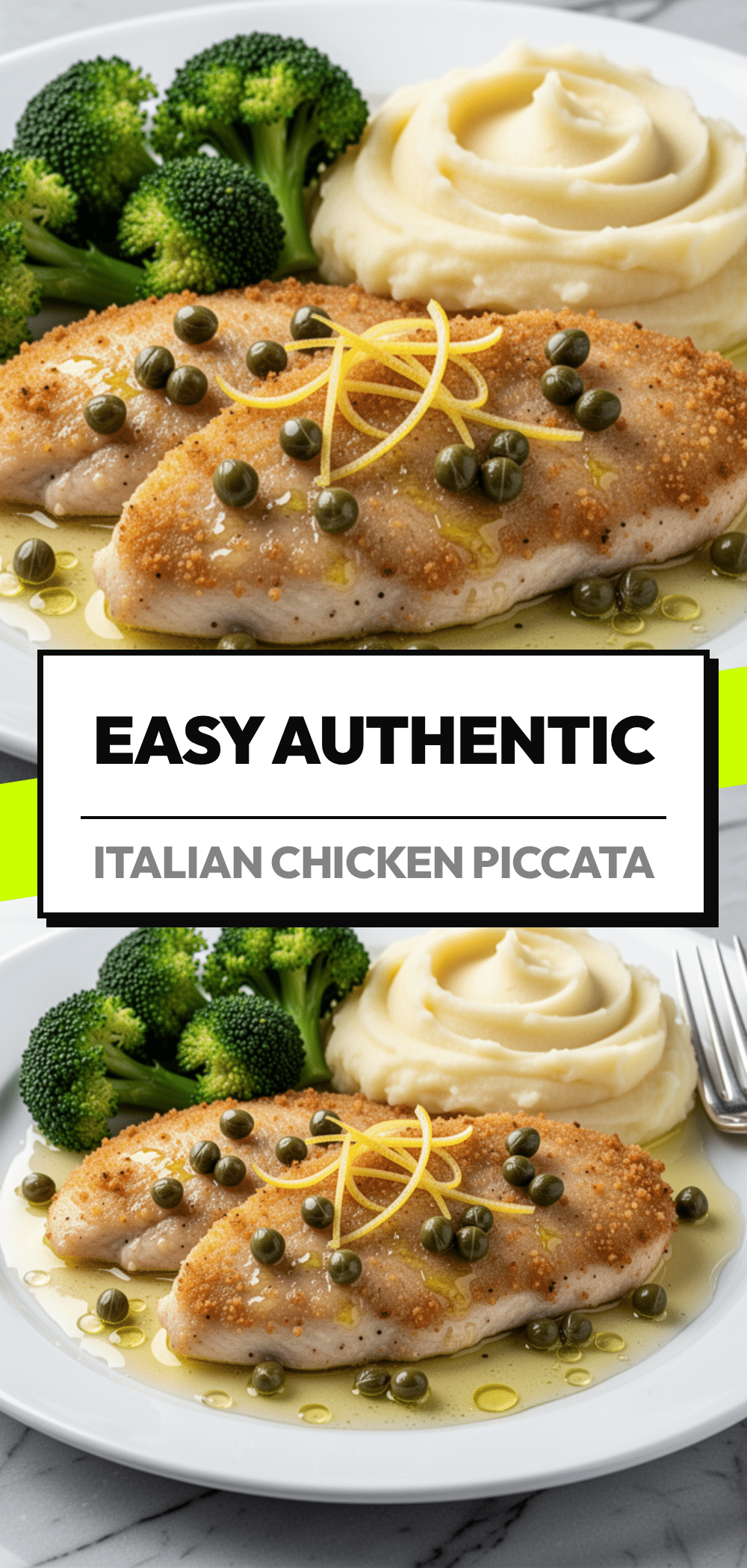
Authentic Italian Chicken Piccata: Best Easy Recipe
- Total Time: 25 minutes
- Yield: 4 servings 1x
Description
A restaurant-quality chicken piccata made in under 30 minutes. This authentic Italian dish features tender pounded chicken breasts in a rich, emulsified lemon-caper-white wine sauce, finished with butter and fresh parsley.
Ingredients
- 4 large boneless, skinless chicken breasts
- 1/2 cup all-purpose flour (60g)
- Salt and black pepper (for seasoning flour and chicken)
- 2 tablespoons olive oil
- 1/2 cup unsalted butter (113g)
- 1/2 cup dry white wine (Pinot Grigio or Sauvignon Blanc)
- 1/2 cup low-sodium chicken broth
- 1/2 cup fresh lemon juice (from 2–3 lemons)
- 3 tablespoons capers, drained
- 1/4 cup fresh flat-leaf parsley, chopped
- Lemon slices (optional, for garnish)
Instructions
- Place chicken breasts between plastic wrap or in a zip-top bag and pound to an even 1/4-inch thickness. Pat dry with paper towels.
- Season flour with salt and pepper on a shallow plate. Dredge chicken breasts in flour, shaking off excess, and place on a clean plate.
- Heat olive oil in a large skillet over medium-high heat. Sear chicken for 3-4 minutes per side until golden brown and cooked through (165°F). Remove chicken to a plate and tent with foil.
- Reduce heat to medium. Pour in white wine and scrape up browned bits from the pan. Simmer for 2 minutes to cook off alcohol.
- Add chicken broth and lemon juice. Simmer for 2-3 minutes until sauce reduces slightly and coats the back of a spoon.
- Reduce heat to low. Add capers and parsley. Whisk in cold butter one tablespoon at a time until the sauce is emulsified and glossy.
- Taste and adjust seasoning. Return chicken to the pan, spooning sauce over the top. Let sit for a minute to reheat.
- Serve immediately, garnished with lemon slices and extra parsley.
Notes
[‘Pounding the chicken ensures even cooking and tenderness.’, ‘Use cold butter at the end to create a smooth, emulsified sauce.’, ‘Do not overcrowd the pan; cook in batches if necessary to ensure a good sear.’, ‘Reserve pasta water if serving over pasta to help the sauce cling.’, ‘The sauce can be made up to 2 days ahead, but cook the chicken fresh.’]
- Prep Time: 10 minutes
- Cook Time: 15 minutes
- Category: Main Course
- Cuisine: Italian
Nutrition
- Serving Size: 1 chicken breast wit
- Calories: 450
- Sugar: 2
- Sodium: 650
- Fat: 28
- Saturated Fat: 12
- Carbohydrates: 12
- Fiber: 1
- Protein: 35
Keywords: chicken piccata, italian recipe, easy dinner, lemon caper sauce, weeknight meals, restaurant quality, gluten-free option


