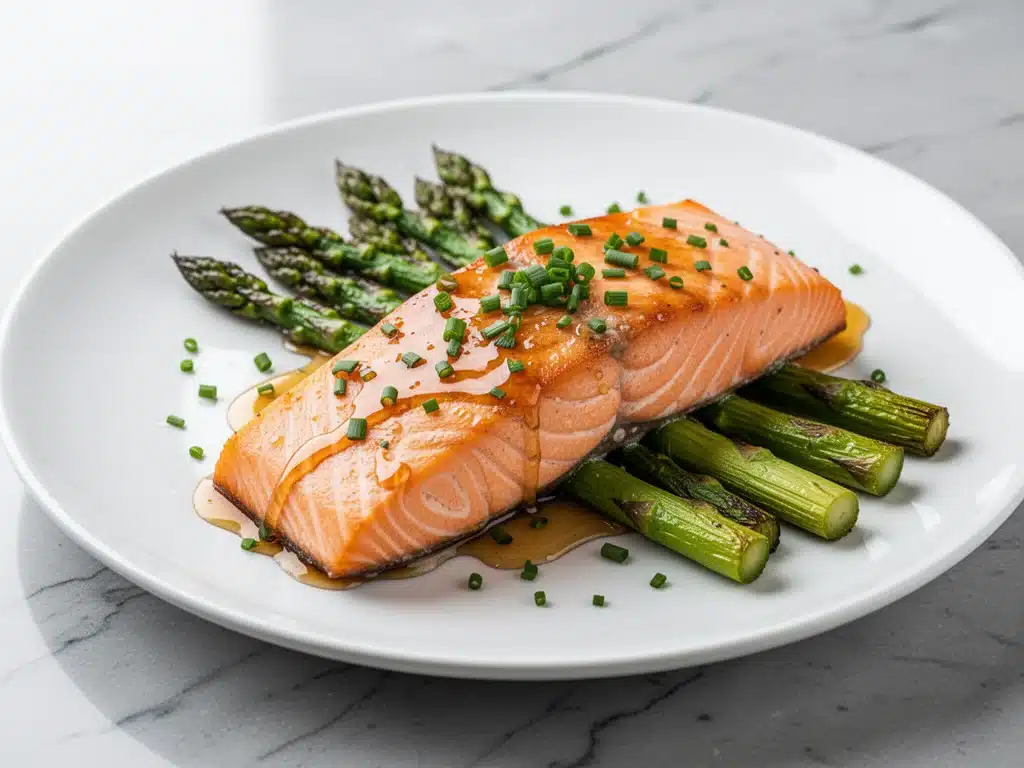
Last Tuesday, I was staring at the clock, watching the minute hand tick toward 6:30 PM, when my stomach gave a loud, very unglamorous growl. I had just walked through the door after a day that felt like it lasted three days. The house was quiet, my kids were presumably doing homework (or playing video games, depending on how you look at it), and I was faced with the universal dinner dilemma: What do I feed my family when I have exactly zero energy and zero desire to order expensive takeout?
Usually, this is the moment I consider cereal for dinner. But then I remembered the salmon fillets in the fridge. They were fresh, the kids had been asking for something “fancy” lately, and I had a jar of honey sitting on the counter. So, I threw together what I thought would be a mediocre, rushed meal. I tossed some asparagus in the oven, seared the salmon with a quick glaze, and hoped for the best.
Thirty minutes later, my husband sat down, took one bite, and said, “This is restaurant quality.” My picky eight-year-old actually asked for seconds. That’s when I knew I had struck gold. This gluten-free honey garlic salmon recipe has since become my secret weapon for weeknight survival. It’s sweet, savory, sticky, and incredibly fast. I’ve made it at least a dozen times since that Tuesday, tweaking the garlic ratio and roasting times until it was perfect. It’s the kind of meal that makes you feel like a gourmet chef without requiring any actual skill or time.
Here’s the thing about weeknight dinners: they don’t need to be complicated to be impressive. In fact, sometimes the simpler the method, the better the result. This dish works because it uses one pan for the fish and one sheet pan for the veggies. You spend about 15 minutes active, and the rest is just waiting for the oven to do its magic. It’s healthy, it’s gluten-free, and it tastes like you spent hours in the kitchen (even though you didn’t).
Why You’ll Love This Gluten-Free Honey Garlic Salmon Recipe
I’ve been making this salmon recipe for two months now, and I’m not even embarrassed about it anymore. It’s become the anchor of our Wednesday and Thursday dinners. There are about ten reasons I keep coming back to it, but here are the big ones that will win you over too.
Stupid Simple — Seriously, if you can mix a few ingredients in a bowl and press “start” on your oven, you can make this. I’ve walked my teenage son through it over FaceTime while he was at college. He nailed it on the first try. No fancy knife skills required.
Lightning Fast — 30 minutes from start to finish, and only 10 of those are active cooking. I make this on weeknights when I get home at 7pm, exhausted and hungry. The oven does the heavy lifting while I clean up the kitchen or help with homework.
Pantry-Friendly — You probably have 80% of these ingredients already. Honey, garlic, soy sauce (or tamari), ginger, and salmon. I keep these stocked just so I can make this on a whim when I’m too tired to think.
Healthy Without Being Boring — Salmon is packed with omega-3s, and asparagus is a nutrient powerhouse. But because of the honey and garlic glaze, it doesn’t taste like “diet food.” It tastes like a treat. My kids think it’s a cheat meal.
Makes Amazing Leftovers — Honestly, the leftovers are pretty good cold or at room temperature. I deliberately make extra for lunch on Thursday. The flavors actually deepen a bit after sitting in the fridge for a day.
Budget-Smart — Salmon can be expensive, but you only need one fillet per person. Buying a family pack and freezing portions is cheaper than eating out. Plus, asparagus is one of those veggies that’s surprisingly affordable when you buy it in season.
This is my go-to when I need dinner to just work. No complicated techniques, no weird ingredients, just reliable, delicious food that makes everyone happy. And the best part? It’s naturally gluten-free, so I don’t have to worry about cross-contamination or reading ten different labels.
Ingredients You’ll Need
Here’s the best part: you probably have most of this already. This isn’t a recipe that requires a trip to three different specialty stores. I’m particular about three ingredients here, and I’ll tell you exactly why they matter.
For the Salmon
Salmon fillets (1.5 pounds / 680g) — I use wild-caught sockeye or atlantic salmon. Wild-caught has a firmer texture that holds up better to roasting. Look for fillets that are about 1-inch thick. If they’re too thin, they’ll overcook before the glaze sets.
Neutral oil (1 tablespoon / 15ml) — I use avocado oil or light olive oil. You need a high smoke point here because the oven gets hot. Don’t use extra virgin olive oil for the glaze base; it’ll burn.
Garlic (6 cloves, minced / about 2 tablespoons) — Yes, six cloves. Don’t skimp. Fresh only—no jarred garlic in this recipe. The sharpness of fresh garlic balances the sweetness of the honey perfectly. I mince mine by hand for the best texture.
Fresh ginger (1 tablespoon, grated / about 15g) — Fresh ginger is non-negotiable. It adds that zesty, warm kick that makes the dish taste Asian-inspired. Powdered ginger just tastes dusty and one-dimensional. Peel it with a spoon and grate it on a microplane.
For the Glaze
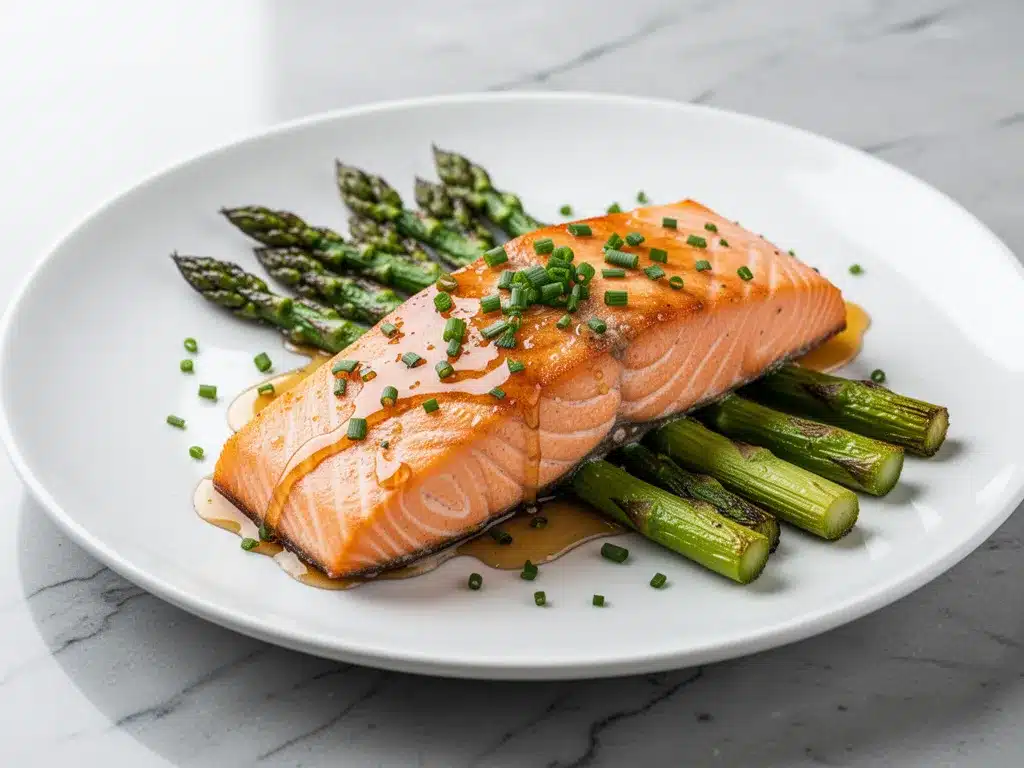
Honey (¼ cup / 60ml) — I use raw honey when I have it, but regular clover honey works fine. Honey is the star here. It caramelizes in the oven, creating that sticky, delicious crust. Don’t substitute with maple syrup; it’s too thin and won’t caramelize the same way.
Gluten-free tamari (3 tablespoons / 45ml) — Regular soy sauce contains wheat, so it’s out. Tamari is the gluten-free equivalent and tastes richer and smoother. I always use Kikkoman’s gluten-free tamari. It’s widely available and consistent.
Apple cider vinegar (1 teaspoon / 5ml) — This is the secret weapon. It cuts through the sweetness and richness, adding a bright acidity. You won’t taste it directly, but it makes the flavors pop. Rice vinegar works too, but apple cider vinegar has a nicer depth.
Red pepper flakes (½ teaspoon) — Optional but adds a nice kick. Start with less if you’re sensitive to spice. It balances the sweet honey beautifully.
For the Asparagus
Asparagus spears (1 pound / 450g) — Look for thick spears. They roast better and don’t get soggy. If you only find thin ones, reduce the cooking time by 5 minutes. Snap off the woody ends before roasting.
Olive oil (1 tablespoon / 15ml) — For tossing the asparagus. Just enough to coat.
Salt and black pepper — To taste. I use flaky sea salt for finishing, but kosher salt works for seasoning before roasting.
Equipment Needed
You don’t need fancy equipment for this. Here’s what I actually use.
Baking sheet — I use a standard half-sheet pan. Make sure it’s rimmed so the honey glaze doesn’t drip into the oven and smoke. Line it with parchment paper for easy cleanup. I’m obsessed with parchment paper; it saves me from scrubbing.
Small mixing bowl — For whisking the glaze. A 1-cup bowl is perfect.
Whisk — To emulsify the honey and tamari. A small whisk works best.
Sharp knife — For chopping garlic and grating ginger. Dull knives make you cry more—learned this the hard way.
Peeler or spoon — For peeling the ginger. A spoon is actually easier and wastes less ginger.
Pastry brush — Optional, but makes applying the glaze easier. A silicone brush is great because it doesn’t shed bristles.
Colander — For rinsing the asparagus. Or just wash it under the tap.
How to Make It: Step-by-Step
Alright, let’s make this! I’m walking you through exactly how I do it, including the little tricks I’ve picked up.
Step 1: Prep the Oven and Pan (5 minutes)
Preheat your oven to 400°F (200°C). Line a large baking sheet with parchment paper. This is crucial. Honey burns easily, and if it drips onto the bare metal, it’ll create smoke and a sticky mess. Parchment paper saves you from scrubbing later. Trust me.
Step 2: Prep the Salmon (5 minutes)
Rinse the salmon fillets under cold water and pat them completely dry with paper towels. Moisture is the enemy of good searing and glazing. If the salmon is wet, the glaze will slide off. Arrange the fillets on the prepared baking sheet, leaving a little space between each one. Season lightly with salt and pepper on both sides.
Step 3: Make the Glaze (2 minutes)
In a small bowl, whisk together the honey, tamari, minced garlic, grated ginger, apple cider vinegar, and red pepper flakes. The mixture should be smooth and slightly runny. If it’s too thick, add a teaspoon of warm water. Taste it—it should be sweet, salty, and garlicky. Adjust to your liking.
Step 4: Glaze and Roast (12-15 minutes)
Brush about half of the glaze over the top of each salmon fillet. You’ll use the rest later. Place the baking sheet in the preheated oven. Roast for 12-15 minutes. The salmon is done when it flakes easily with a fork and is opaque throughout. Thicker fillets may need the full 15 minutes; thinner ones might be done in 12. Check at 12 minutes to avoid overcooking.
Step 5: Prep and Roast the Asparagus (10-12 minutes)
While the salmon roasts, trim the woody ends off the asparagus. You can do this by bending each spear; it will snap naturally at the right spot. Toss the asparagus with olive oil, salt, and pepper on a separate baking sheet (or push the salmon to one side if you have a large enough pan, but separate is better for even cooking). Roast the asparagus for 10-12 minutes until tender-crisp and slightly charred at the tips.
Step 6: Final Glaze and Serve (2 minutes)
Remove the salmon from the oven. Brush the remaining glaze over the hot fillets. The residual heat will warm the glaze and make it sticky. Let the salmon rest for 2 minutes before serving. This allows the juices to redistribute. Serve immediately with the roasted asparagus on the side.
Total Time: About 30 minutes (10 minutes active, 20 minutes mostly hands-off)
Expert Tips & Tricks
Here’s everything I’ve learned from making this dozens of times. These tips will save you from my mistakes.
Don’t Overcook the Salmon
Salmon continues to cook after it’s removed from the oven. If it looks almost done, it’s done. Overcooked salmon is dry and rubbery, and no amount of honey can fix that. Aim for a slightly translucent center if you prefer it moist.
Use Thick Fillets
Thin salmon fillets cook too quickly and can dry out before the glaze caramelizes. Look for fillets that are at least 1-inch thick. If you only have thin ones, reduce the roasting time to 8-10 minutes.
Pat the Salmon Dry
This sounds basic, but it’s vital. Wet salmon steams instead of roasting. The glaze needs direct contact with the fish to stick properly. Paper towels are your friend here.
Grate Your Own Ginger
Pre-grated ginger in a tube often has preservatives and lacks that fresh, zesty punch. Fresh ginger makes a huge difference in the flavor profile. Just peel it with a spoon and grate it on a microplane. It takes 30 seconds.
Save the Glaze for Later
Don’t brush all the glaze on at the beginning. Apply half before roasting, and the rest after. This prevents the garlic from burning and keeps the honey fresh and sticky.
Asparagus Prep
Don’t just chop the ends off randomly. Bend the spear; it will snap exactly where the woody part ends. This ensures you’re only using the tender part. It’s a nice little trick that makes the dish look more professional.
Variations & Substitutions
Once you’ve nailed the basic version, here’s how you can mix it up. I’ve tried all of these.
Spicy Honey Garlic Salmon
Add 1 teaspoon of sriracha or gochujang to the glaze. It adds a kick that pairs perfectly with the sweet honey. My husband likes it this way.
Lemon Herb Salmon
Skip the ginger and add 1 tablespoon of lemon zest and 1 teaspoon of dried thyme to the glaze. It’s a lighter, brighter version. Great for spring.
Ginger Soy Glaze
Double the ginger and add 1 teaspoon of sesame oil to the glaze. It leans more into the Asian flavors. Toast some sesame seeds on top before serving.
Veggie-Loaded Sheet Pan
Add broccoli florets or bell pepper strips to the asparagus pan. They roast at the same temperature and add color and crunch. I do this when I want to sneak more vegetables into the meal.
Dietary Modifications:
Whole30/Paleo
Swap the tamari for coconut aminos and the honey for maple syrup or date syrup. It changes the flavor slightly but keeps it compliant.
Low-Sugar
Reduce the honey to 2 tablespoons and add a splash of stevia or monk fruit sweetener. It’s not as sticky, but it works if you’re watching sugar.
Gluten-Free
This recipe is naturally gluten-free as long as you use tamari instead of soy sauce. Double-check your honey and ginger labels to be sure, but most are safe.
Serving & Storage
How to Serve:
I usually serve this straight from the baking sheet at the dinner table—it looks rustic and stays warm. But here are other ways I’ve enjoyed it:
Side Dishes:
– Steamed jasmine rice or cauliflower rice
– Quinoa
– Roasted sweet potatoes
– A simple green salad with lemon vinaigrette
Toppings Bar:
When I have guests, I put out: toasted sesame seeds, chopped green onions, red pepper flakes, and lime wedges. Everyone customizes their bowl.
Storage Instructions:
Refrigerator:
Store leftovers in an airtight container for up to 3 days. The salmon will keep well, and the asparagus stays crisp-tender.
Reheating:
Best method: Reheat in a 350°F oven for 10 minutes. This keeps the salmon moist.
Microwave method: Heat in 30-second intervals. It can dry out the salmon, so add a splash of water or broth to help.
Freezing:
Honestly, this doesn’t freeze well. The texture of the salmon changes, and the asparagus becomes mushy. Make it fresh or store in the fridge for up to 3 days.
Pro tip: If the asparagus is drying out, stir in a teaspoon of olive oil when reheating. Brings back that fresh texture.
Nutrition Information
I’m not a nutritionist, but here’s the breakdown if you’re tracking.
Per Serving (based on 4 servings):
| Nutrient | Amount |
|---|---|
| Calories | 380 |
| Protein | 34g |
| Carbs | 22g |
| Fiber | 4g |
| Sugar | 18g |
| Fat | 16g |
| Saturated Fat | 2g |
| Cholesterol | 85mg |
| Sodium | 520mg |
What’s Good:
– High in protein from the salmon
– Rich in omega-3 fatty acids
– Good source of fiber from the asparagus
– Naturally gluten-free
What to Know:
– Higher in sugar from the honey
– Contains fish (allergen)
– Moderate sodium (use low-sodium tamari to reduce)
My Take:
“Look, this is a healthy dinner with some honey in it. It’s not a diet recipe, but it’s way better than takeout. When I want to make it lighter, I reduce the honey and load up on asparagus. But usually? I just eat a reasonable portion and enjoy it.”
Final Thoughts
So that’s my go-to gluten-free honey garlic salmon! I’ve probably talked your ear off at this point, but when you make a recipe this often, you have a lot to say about it.
This has saved weeknight dinners more times than I can count. It’s my answer to “what’s for dinner” when I’m tired, don’t want takeout, and still want something that tastes really good. My kids are happy, my husband’s happy, and I’m happy because I’m not stressed about cooking.
Make it yours! Try different add-ins, swap in your favorite vegetables, adjust the garlic (though more is always better in my opinion). The best recipes are the ones you adapt to your family’s tastes.
If you make this, drop a comment and let me know what you think! I love hearing how recipes turn out in your kitchen. And if something doesn’t work, tell me that too—I’m here to help troubleshoot.
Happy cooking! And I hope your kitchen smells half as good as mine does right now.
Frequently Asked Questions
Can I use regular soy sauce instead of tamari?
You can, but it’s not gluten-free. Regular soy sauce contains wheat. If you’re eating gluten-free for health reasons or celiac disease, you must use tamari or coconut aminos. If you’re just avoiding gluten occasionally, regular soy sauce is fine, but the flavor will be slightly different.
Why did my salmon turn out dry?
Usually means you overcooked it. Salmon cooks very quickly. Check it at 12 minutes. If it flakes easily, it’s done. If it’s still translucent in the center, give it another 2 minutes. Also, make sure you didn’t use very thin fillets, which cook faster than you think.
Can I make this ahead for a dinner party?
Sort of. You can prep the glaze and chop the asparagus up to 2 days ahead. Store them separately in the fridge. Assemble and cook right before serving. The salmon is best fresh out of the oven. I do this all the time for small gatherings.
Can I use frozen salmon?
You can, but you must thaw it completely first. Press out as much water as possible with paper towels. Frozen salmon releases more water, which can prevent the glaze from sticking. Thaw it in the fridge overnight and pat dry thoroughly.
How do I know when the asparagus is done?
It should be tender-crisp, not mushy. Pierce a spear with a fork; it should go through easily but with a little resistance. The tips should be slightly charred. If they’re still hard, roast for another 2-3 minutes.
Can I double this recipe?
Absolutely! Double everything and use two baking sheets. Make sure you have enough oven space for air circulation. The cooking times stay the same. I do this when I’m meal-prepping or feeding a crowd.
What’s a good side dish for this?
I love it with steamed jasmine rice, quinoa, or cauliflower rice. A simple green salad with lemon vinaigrette also works great. The salmon is rich, so a light, acidic side balances it perfectly.
Pin This Recipe!
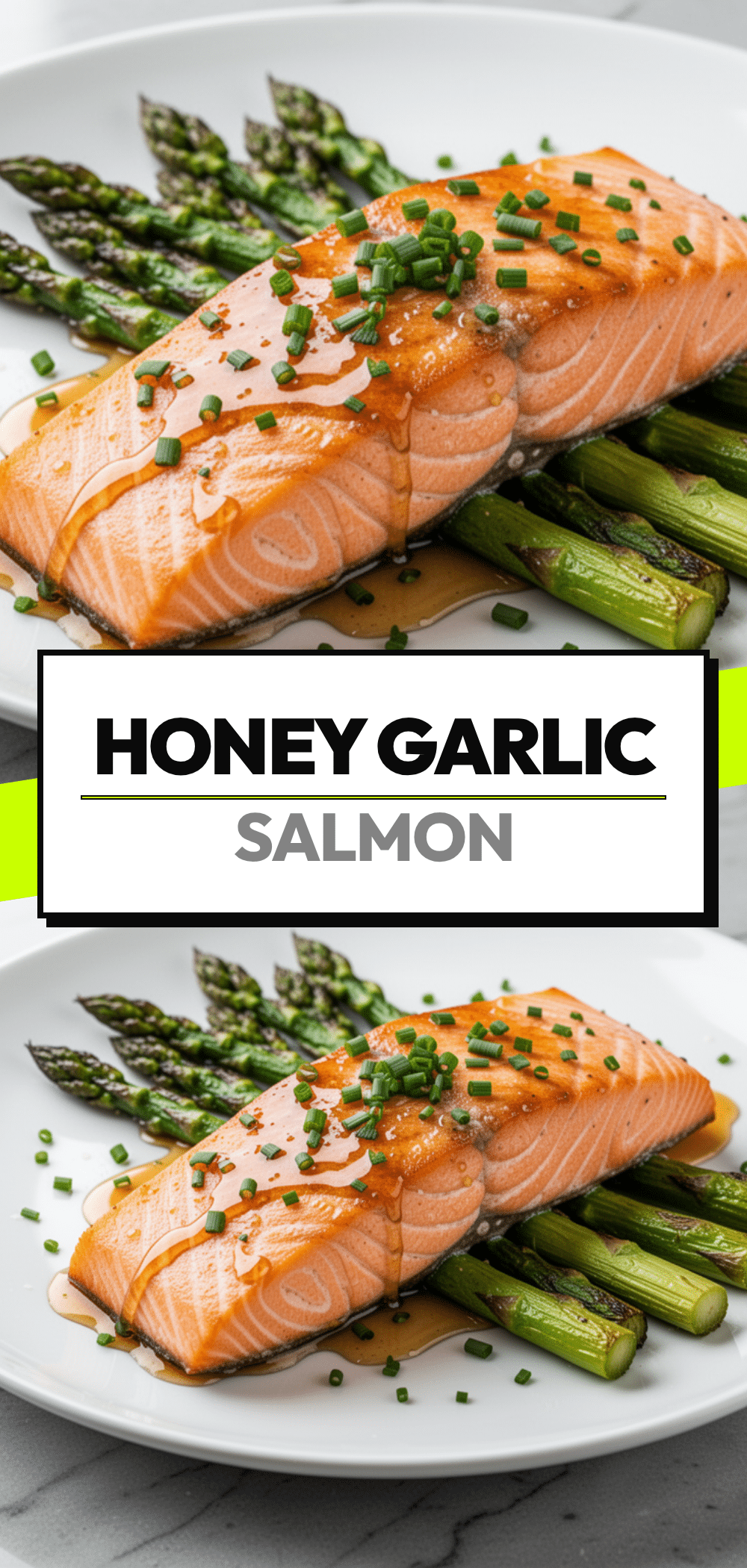
Gluten-Free Honey Garlic Salmon: Easy Weeknight Dinner
- Total Time: 30 minutes
- Yield: 4 servings 1x
Description
A quick, healthy, and flavorful weeknight dinner featuring salmon fillets roasted with a sweet and savory honey garlic glaze, served alongside crispy roasted asparagus.
Ingredients
- 1.5 pounds salmon fillets (wild-caught sockeye or atlantic, approx. 1-inch thick)
- 1 tablespoon neutral oil (avocado or light olive oil)
- 6 cloves garlic, minced
- 1 tablespoon fresh ginger, grated
- 1/4 cup honey
- 3 tablespoons gluten-free tamari
- 1 teaspoon apple cider vinegar
- 1/2 teaspoon red pepper flakes (optional)
- 1 pound asparagus spears
- 1 tablespoon olive oil
- Salt and black pepper to taste
Instructions
- Preheat oven to 400°F (200°C). Line a large rimmed baking sheet with parchment paper.
- Rinse salmon fillets and pat completely dry with paper towels. Arrange on the prepared baking sheet and season lightly with salt and pepper.
- In a small bowl, whisk together honey, tamari, minced garlic, grated ginger, apple cider vinegar, and red pepper flakes until smooth.
- Brush about half of the glaze over the top of each salmon fillet.
- Roast salmon for 12-15 minutes, or until it flakes easily with a fork and is opaque throughout.
- While salmon roasts, trim woody ends from asparagus. Toss with olive oil, salt, and pepper on a separate baking sheet.
- Roast asparagus for 10-12 minutes until tender-crisp and slightly charred.
- Remove salmon from oven and brush with remaining glaze. Let rest for 2 minutes before serving with asparagus.
Notes
Pat salmon dry before glazing to ensure the sauce sticks. Use thick fillets (1-inch) to prevent overcooking. Do not use regular soy sauce if gluten-free is required; use tamari or coconut aminos. Salmon continues to cook after removal from the oven, so remove when slightly translucent in the center for moist results.
- Prep Time: 10 minutes
- Cook Time: 20 minutes
- Category: Main Course
- Cuisine: Asian-Inspired
Nutrition
- Serving Size: 1 salmon fillet and
- Calories: 380
- Sugar: 18
- Sodium: 520
- Fat: 16
- Saturated Fat: 2
- Carbohydrates: 22
- Fiber: 4
- Protein: 34
Keywords: gluten-free, honey garlic salmon, weeknight dinner, healthy salmon, sheet pan dinner, quick meals, omega-3


