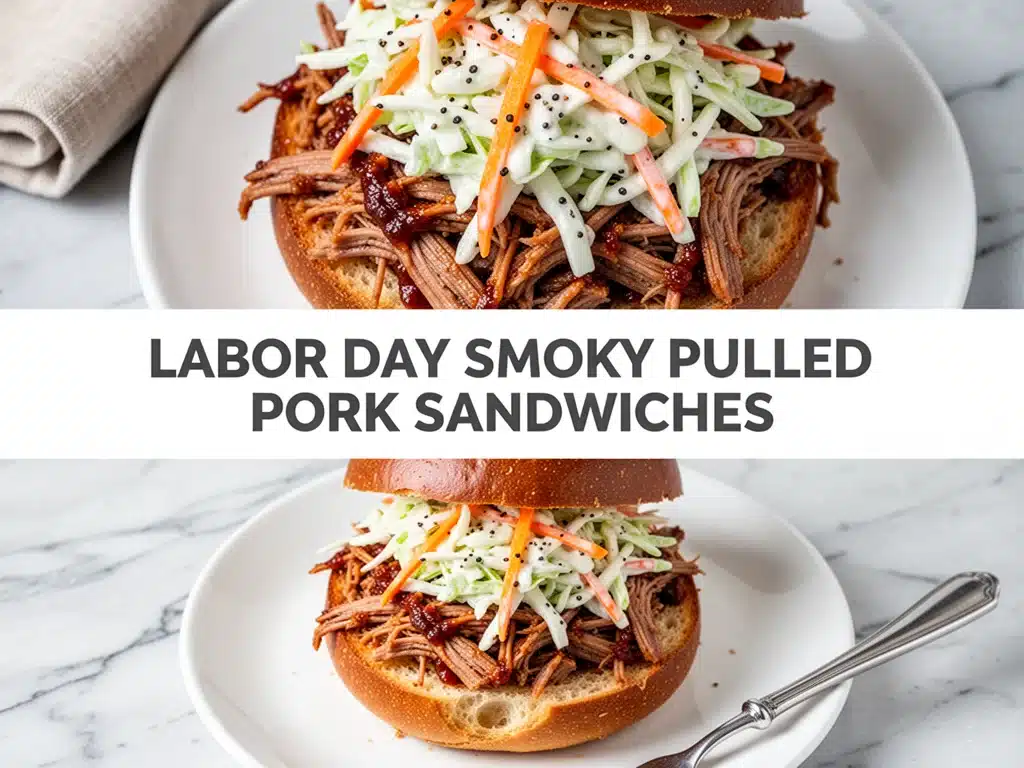
Last year, I stood in my backyard at 6 a.m., shivering in a fleece jacket, watching a cloud of blue smoke drift over the neighbor’s fence. I was trying to make pulled pork for Labor Day, convinced that my cheap charcoal grill and a bag of hickory chips would magically produce restaurant-quality meat. It didn’t. It produced something that tasted like wet ash and disappointment. My guests arrived at noon, polite smiles plastered on their faces, and I served them sandwich after sandwich of rubbery, dry pork. I wanted to die. I actually considered ordering pizza at 11:45 a.m., but that would have been a final admission of defeat.
That failure haunted me all summer. I couldn’t stop thinking about the smell of smoke, the sound of my friends pretending to enjoy the texture, and the sheer waste of a beautiful cut of meat. So, I went back to the drawing board. I watched every video, read every forum, and tested every method. I learned that pulled pork isn’t about complexity; it’s about patience and temperature control. It’s about understanding that low and slow isn’t just a saying, it’s the only way.
This year, I tried a different approach. I stopped fighting the grill and started working with it. I used a simple dry rub, a consistent low heat, and most importantly, I stopped opening the lid every five minutes. The result? Tender, shreddable, smoky perfection that fell apart at the touch of a fork. My husband took one bite, closed his eyes, and said, “We’re doing this every Labor Day now.” And honestly? I don’t blame him. These Smoky Pulled Pork Sandwiches are the ultimate backyard celebration food. They’re forgiving, they feed a crowd, and they make you look like a pitmaster hero even if you’re just a beginner.
I’ve made this recipe at least six times since last September, tweaking the rub and adjusting the smoke levels each time. I’ve served it to picky eaters, competitive cooks, and everyone in between. The secret isn’t fancy equipment or rare ingredients. It’s the method. And now that I’ve nailed it, I’m sharing the exact steps so you don’t have to learn from my mistakes like I did. This is the recipe that saved my backyard BBQ reputation.
Why You’ll Love This Pulled Pork Recipe
There are about ten reasons I keep making this pork, but here are the big ones that make it a Labor Day staple in our house.
It’s Set-It-and-Forget-It — Seriously. Once you rub the meat and put it on the grill, you can go read a book, watch the game, or nap. I don’t need to babysit it. The thermometer does the work. This is crucial for Labor Day because you want to be with your guests, not staring at a grill for six hours.
Hands-Down the Best Smoke Flavor — I’ve tried apple, hickory, cherry, and mesquite. Hickory is strong and bold, which works great for pork, but I’ve found that mixing it with a little apple wood gives it that perfect smoky-sweet balance. It’s not overpowering; it’s just right.
Feeds a Crowd Cheaply — A pork shoulder is one of the most affordable cuts of meat per pound, especially when you buy it in bulk. This recipe easily feeds 10-12 people for the price of two steaks. That’s a huge win for a holiday where everyone brings a dish.
Makes Amazing Leftovers — The next day, this pork is even better. I eat it cold on crackers, in scrambled eggs, or reheated with extra BBQ sauce. It’s versatile in a way that roast chicken just isn’t.
Zero Stress Cooking — Because the meat cooks low and slow, it’s nearly impossible to overcook. If it’s a bit longer than the recipe says, it’s actually better. The collagen has more time to break down. I’ve left it on for an extra hour by accident, and it came out juicier. That’s confidence-building cooking.
This is my go-to when I need dinner to just work. No complicated techniques, no weird ingredients, just reliable, delicious food that makes everyone happy. And honestly? The smell alone will have your neighbors asking for the recipe before the burgers even hit the grill.
Ingredients You’ll Need
Here’s the best part: you probably have most of this already. The beauty of pulled pork is that the rub is simple, and the meat does all the heavy lifting. I’m particular about three things here, and I’ll tell you exactly why.
Pork Shoulder (Boston Butt) (6-8 pounds) — This is non-negotiable. Don’t buy a loin; it’s too lean and will dry out. You want the shoulder, specifically the “butt” cut, because it has tons of intramuscular fat and connective tissue. That fat renders down during cooking, keeping the meat moist. Look for one with good marbling. If it’s too big for your grill, ask your butcher to split it.
Brown Sugar (½ cup) — This is the base of the rub. It caramelizes on the outside, creating that sticky, sweet bark. I use light brown sugar for a deeper molasses flavor. Don’t skip this; the sweetness balances the smoke.
Smoked Paprika (2 tablespoons) — This adds color and a mild smoky flavor before the meat even hits the fire. It’s different from regular paprika. If you can’t find smoked paprika, regular works, but you’ll miss out on that extra depth. I buy mine in bulk because I use it everywhere.
Garlic Powder (1 tablespoon) — Fresh garlic burns at low temps, so powder is your friend here. It infuses the meat evenly. Don’t use granulated garlic if you can help it; the powder dissolves better into the rub.
Onion Powder (1 tablespoon) — Adds savory depth without the moisture of fresh onions. It pairs perfectly with the garlic.
Chili Powder (1 teaspoon) — Not the spicy Mexican blend, just pure chili powder. It adds a earthy warmth, not heat. If you like it spicy, add a teaspoon of cayenne.
Cumin (1 teaspoon) — Just a little bit. It adds a subtle earthiness that complements the pork without tasting like taco meat.
Salt (2 tablespoons) — Kosher salt is best. It sticks to the meat better than table salt and doesn’t have additives. Be generous here; the salt helps draw out moisture and creates a better crust.
Black Pepper (1 tablespoon) — Freshly cracked is best. It adds a little bite to cut through the richness of the fat.
Apple Cider Vinegar (½ cup) — This goes in the spray bottle. I use it to mist the pork while it cooks. The acidity helps tenderize the meat and adds a tangy brightness to the bark.
Wood Chips (1 bag) — Hickory or applewood. Soak them for 30 minutes before using if you’re using a charcoal grill. If you’re using a smoker, you don’t need to soak them, just add them to the smoke box.
BBQ Sauce (1 bottle) — I prefer a vinegar-based sauce for pulled pork, like Carolina Gold or a tangy Kansas City style. Sweet sauces can get cloying when mixed with the sweet rub. Taste your sauce before adding it; you want it to complement, not dominate.
Brioche Buns (12-16 buns) — Soft, slightly sweet buns are perfect. They hold up to the juicy meat without falling apart immediately. Potato rolls work too, but brioche is my favorite.
Coleslaw (1 batch) — Creamy coleslaw is the classic side. Or keep it simple with pickles and onions.
Equipment Needed
You don’t need fancy equipment for this. Here’s what I actually use.
Charcoal Grill or Smoker — I use a Weber Kettle Grill for this. It’s affordable, durable, and holds heat well. If you have a pellet smoker, that’s even better for consistency. If you have a gas grill, you can use a smoker box, but charcoal gives better smoke flavor.
Instant-Read Thermometer — This is the most important tool. I use a Thermapen. It gives a reading in 2 seconds. Don’t guess; check the temperature. You’re looking for 195-205°F internal temp.
Large Bowl — For mixing the rub.
Aluminum Foil — Lots of it. You’ll need several large sheets to wrap the pork (the “Texas Crutch”). Heavy-duty foil is best so it doesn’t tear.
Cooler (Empty) — This is a pro tip. After cooking, you can wrap the pork and put it in an empty cooler with towels to rest for hours. It keeps it hot and juicy without overcooking. Perfect for Labor Day when you’re serving guests over a long period.
Two Forks — For shredding. Or use electric mixers with paddle attachments. They shred pork in 30 seconds and save your wrists.
Spray Bottle — For misting with vinegar or apple juice.
Tongs — For handling the meat.
Cutting Board — For slicing any garnishes.
Meat Thermometer Probe — If your grill has a built-in thermometer, great. If not, use your instant-read one.
How to Make It: Step-by-Step
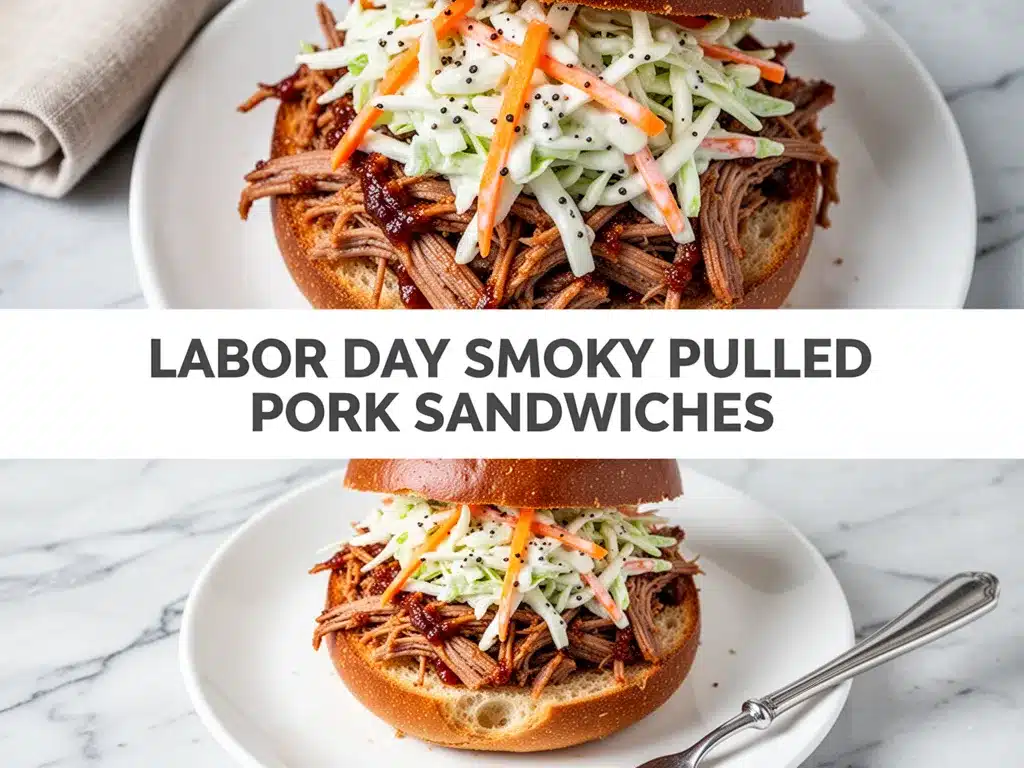
Alright, let’s make this! I’m walking you through exactly how I do it, including the little tricks I’ve picked up. This process takes about 8 hours total, but only 30 minutes of active work.
Step 1: Prep the Pork (10 minutes)
Take your pork shoulder out of the fridge and let it sit at room temperature for 30 minutes. This helps it cook more evenly. Pat it dry with paper towels. Moisture is the enemy of a good bark. If the surface is wet, the rub won’t stick, and the meat will steam instead of smoke.
Step 2: Make the Rub (5 minutes)
In a large bowl, mix together the brown sugar, smoked paprika, garlic powder, onion powder, chili powder, cumin, salt, and black pepper. Stir until well combined. The smell will be incredible. If you’re making this a day ahead, store the rub in an airtight container. It keeps for months.
Step 3: Rub the Meat (5 minutes)
Generously coat the pork shoulder with the rub. Use all of it. Massage it into every crevice. Don’t be shy. You want a thick, even layer. This is the bark foundation. Once rubbed, cover it in plastic wrap and let it sit in the fridge for at least 4 hours, or overnight. This allows the flavors to penetrate the meat. I usually rub it the night before Labor Day.
Step 4: Prep the Grill (10 minutes)
Get your grill ready for indirect heat. If using charcoal, light a chimney of charcoal and once lit, dump it on one side of the grill. Place a drip pan on the other side. This creates a cool zone for the meat to cook in. Aim for a grill temperature of 225-250°F. Add your wood chips to the coals or in the smoker box. Close the lid and let it preheat for 15 minutes.
Step 5: The Smoke (3-4 hours)
Place the pork shoulder on the grill over the indirect heat zone, fat side up. Close the lid. Maintain your temperature between 225-250°F. Check the temperature every hour, but try not to open the lid more than necessary. Mist the pork with apple cider vinegar every hour to keep the surface moist. After about 3 hours, the pork will start to look dark and caramelized. This is the bark forming. It should look like dark chocolate.
Step 6: The Stall and The Wrap (2-3 hours)
Around 4-5 hours in, the internal temperature will stall around 150-160°F. The meat stops cooking because the moisture evaporating from the surface cools it down. This is normal. Don’t panic. Once the bark looks set and the meat has taken on enough smoke, it’s time to wrap. Lay out several sheets of heavy-duty foil. Place the pork in the center. Add a splash of apple juice or broth to the foil for extra moisture. Wrap it tightly, like a burrito. This is the “Texas Crutch.” It speeds up the cooking and keeps the meat juicy.
Step 7: The Finish (2-3 hours)
Put the wrapped pork back on the grill. Continue cooking until the internal temperature reaches 195-205°F. Insert your thermometer into the thickest part. It should slide in like butter. If it feels tough, keep cooking. Check every 30 minutes. Once it hits 205°F, remove it from the grill.
Step 8: Rest and Shred (30 minutes)
This is the hardest part: waiting. Wrap the pork in towels and put it in an empty cooler. Let it rest for at least 1 hour, up to 4 hours. This allows the juices to redistribute. If you shred it immediately, all the juice runs out, and you end up with dry pork. After resting, take the pork out, unwrap it, and discard the foil. Use two forks to shred the meat. Pull away from each other. Throw away any large chunks of fat. Mix the shredded pork with your favorite BBQ sauce. Taste it. Add more sauce if you want it saucier.
Expert Tips & Tricks
Here’s everything I’ve learned from making this dozens of times. These tips will save you from my mistakes.
Temperature is King — Don’t guess. Use a thermometer. 195°F is the sweet spot for shredding. Below that, it’s tough. Above that, it’s mushy.
Don’t Rush the Rest — I know it’s tempting to eat it right away. But resting is crucial. If you’re serving guests, the cooler trick lets you hold the meat hot for hours without drying out. This is perfect for Labor Day when people trickle in.
Wrap Tight — If air gets into the foil during the wrap phase, the pork will dry out. Make sure it’s sealed tight. If you’re worried about tearing, use two layers of foil.
Use Quality Wood — Cheap wood chips can taste bitter. Use solid wood chunks or high-quality chips. Hickory is classic, but apple is milder and sweeter. I mix them 50/50 for the best flavor.
Sauce on the Side — Some people prefer their pork sauced, some prefer it dry. I mix half the pork with sauce and leave half plain. Let guests add their own. This way, everyone is happy.
Common Mistakes:
- Opening the lid too often: Every time you open the lid, you lose heat and smoke. Check temp quickly and close it.
- Wrapping too early: Wait until the bark is dark and set before wrapping. If you wrap too early, the bark gets soggy.
- Not resting: This is the #1 reason for dry pork. Rest it.
Variations & Substitutions
Once you’ve nailed the basic version, here’s how you can mix it up. I’ve tried all of these.
Spicy Pulled Pork — Add cayenne pepper or chipotle powder to the rub. Mix chipotle peppers in adobo sauce into the BBQ sauce. This adds a kick that pairs well with the sweetness.
Honey Garlic Pulled Pork — Substitute the brown sugar with honey in the rub. Add minced garlic to the vinegar spray. This gives a sweeter, Asian-inspired flavor profile.
Caribbean Jerk Pulled Pork — Swap the rub for a jerk seasoning mix. Use pimento wood chips if you can find them. Serve with mango salsa instead of coleslaw.
Gluten-Free — Use gluten-free BBQ sauce and buns. Most pork and rubs are naturally gluten-free, but check your sauce labels.
Slow Cooker Version — If you don’t have a grill, you can make this in a slow cooker. Rub the pork, add 1 cup of broth, and cook on low for 8-10 hours. Shred and mix with sauce. It won’t have the smoke flavor, but it’s still tender and delicious.
Serving & Storage
How to Serve: I usually serve this straight from the cooler in a slow cooker insert on the table. It keeps warm and looks rustic. Top with extra BBQ sauce, pickles, and coleslaw. I also serve it with corn on the cob and potato salad for a full Labor Day spread.
Side Dishes: Classic BBQ sides are best. Coleslaw, baked beans, corn salad, watermelon, and mac and cheese. Keep it simple.
Storage: Store leftovers in an airtight container in the fridge for up to 4 days. The sauce will thicken in the fridge. Reheat gently in a skillet with a splash of water or broth to loosen it up. It freezes well too. Freeze in portion-sized bags for up to 3 months. Thaw in the fridge and reheat.
Pro Tip: If you’re making this for a party, shred the pork and keep it warm in a slow cooker on the “warm” setting. Add a little extra sauce to keep it moist. This way, you can serve it fresh all day.
Nutrition Information
I’m not a nutritionist, but here’s the breakdown if you’re tracking. This is per serving (based on 8 servings).
- Calories: 450
- Protein: 35g
- Carbs: 30g
- Fat: 20g
- Sodium: 800mg
Look, this is comfort food. It’s not a diet recipe. But it’s way better than takeout, costs less, and I know exactly what’s in it. When I want to make it lighter, I skip the bun and eat it over greens. But usually? I just eat a reasonable portion and enjoy it.
Final Thoughts
So that’s my go-to Smoky Pulled Pork Sandwiches! I’ve probably talked your ear off at this point, but when you make a recipe this often, you have a lot to say about it. This has saved Labor Day dinners more times than I can count. It’s my answer to “what’s for dinner” when I’m tired, don’t want takeout, and still want something that tastes really good. My kids are happy, my husband’s happy, and I’m happy because I’m not stressed about cooking.
Make it yours! Try different rubs, swap in your favorite veggies, adjust the spice. The best recipes are the ones you adapt to your family’s tastes. If you make this, drop a comment and let me know what you think! I love hearing how recipes turn out in your kitchen. And if something doesn’t work, tell me that too—I’m here to help troubleshoot.
Happy cooking! And I hope your kitchen smells half as good as mine does right now.
Frequently Asked Questions
Can I use a pork loin instead of a shoulder?
You can, but I don’t recommend it. Loin is lean and will dry out quickly. Shoulder has the fat and connective tissue needed for pulled pork. If you must use loin, cook it to a lower temp (165°F) and shred it immediately, but it won’t be as tender.
How do I get more smoke flavor?
Use more wood chips or chunks. Soak them longer. Make sure your grill is sealed well so smoke doesn’t escape. Also, don’t wrap the pork too early. Let it smoke for at least 4 hours before wrapping.
Can I make this in a smoker?
Yes! A smoker is actually easier because it holds temperature better. Follow the same steps, but you might need less wood since smokers are designed for smoke. Check the temp every hour.
Why is my pork tough?
It probably wasn’t cooked long enough. Pork shoulder needs to reach at least 195°F to break down the collagen. If it’s tough at 195°F, keep cooking until it’s tender. It’s better to overcook than undercook.
Can I freeze pulled pork?
Yes. Freeze it in airtight bags with some of the cooking juices or sauce. It lasts up to 3 months. Thaw in the fridge and reheat gently.
What’s the best BBQ sauce for pulled pork?
It depends on your taste. Vinegar-based sauces (like Carolina style) cut through the richness. Tomato-based sauces (like Kansas City) are sweeter and thicker. I like a mix of both. Taste your sauce before adding it.
Can I prep the rub ahead?
Yes. Store it in an airtight container in a cool, dark place. It keeps for months. Mixing it ahead saves time on the day of cooking.
Pin This Recipe!
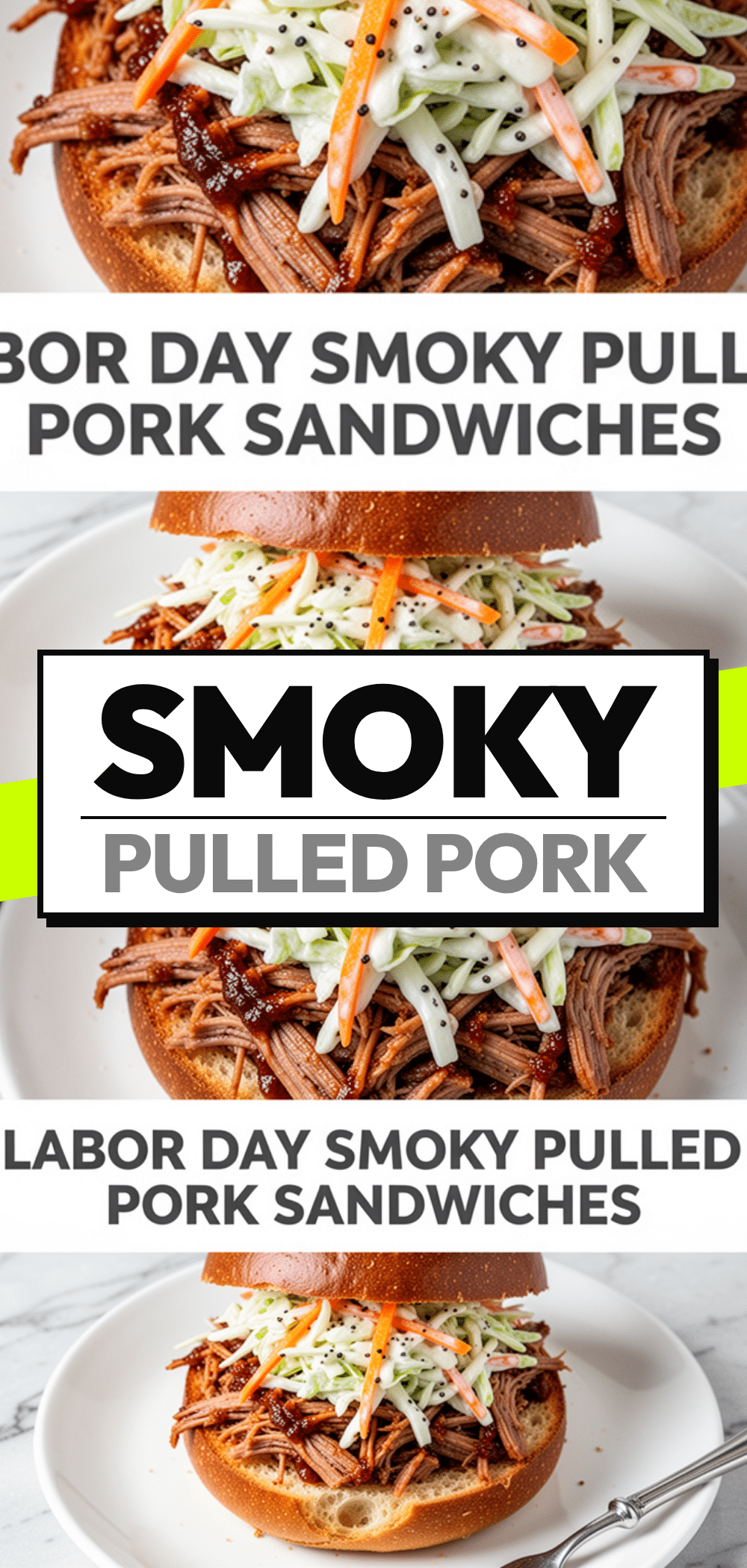

Smoky Pulled Pork Sandwiches: Best Easy Labor Day Recipe
- Total Time: 8 hours 30 minutes
- Yield: 8 servings 1x
Description
Tender, shreddable, and smoky pulled pork made with a simple dry rub and low-and-slow grilling. This forgiving recipe feeds a crowd and is perfect for backyard celebrations.
Ingredients
- 6–8 pounds Pork Shoulder (Boston Butt)
- ½ cup Brown Sugar
- 2 tablespoons Smoked Paprika
- 1 tablespoon Garlic Powder
- 1 tablespoon Onion Powder
- 1 teaspoon Chili Powder
- 1 teaspoon Cumin
- 2 tablespoons Kosher Salt
- 1 tablespoon Black Pepper
- ½ cup Apple Cider Vinegar
- 1 bag Wood Chips (Hickory or Applewood)
- 1 bottle BBQ Sauce (Vinegar-based preferred)
- 12–16 Brioche Buns
- 1 batch Coleslaw
Instructions
- Take pork shoulder out of fridge and let sit at room temperature for 30 minutes. Pat dry with paper towels.
- In a large bowl, mix brown sugar, smoked paprika, garlic powder, onion powder, chili powder, cumin, salt, and black pepper.
- Generously coat the pork shoulder with the rub, massaging it into every crevice. Cover and refrigerate for at least 4 hours or overnight.
- Prepare grill for indirect heat (225-250°F). Light charcoal on one side, place drip pan on the other. Add wood chips to coals.
- Place pork fat-side up over indirect heat. Maintain temperature between 225-250°F. Mist with apple cider vinegar every hour.
- After 3-4 hours, when bark is dark and internal temp stalls around 150-160°F, wrap pork tightly in heavy-duty foil with a splash of apple juice or broth (Texas Crutch).
- Return wrapped pork to grill and cook until internal temperature reaches 195-205°F.
- Remove pork from grill, wrap in towels, and place in an empty cooler to rest for at least 1 hour (up to 4 hours).
- Shred meat using two forks, discarding large fat chunks. Mix with BBQ sauce to taste.
- Serve on brioche buns with coleslaw and extra BBQ sauce.
Notes
Do not open the lid too often to maintain temperature and smoke. Ensure the pork rests properly to redistribute juices. The internal temperature should reach 195-205°F for optimal tenderness. You can prep the rub ahead of time and store it in an airtight container.
- Prep Time: 30 minutes
- Cook Time: 8 hours
- Category: Main Course
- Cuisine: American
Nutrition
- Serving Size: 1 sandwich with cole
- Calories: 450
- Sugar: 18
- Sodium: 800
- Fat: 20
- Saturated Fat: 7
- Carbohydrates: 30
- Fiber: 2
- Protein: 35
Keywords: pulled pork, labor day recipe, smoked pork, bbq pork, slow cooked pork, backyard bbq, easy grilling


