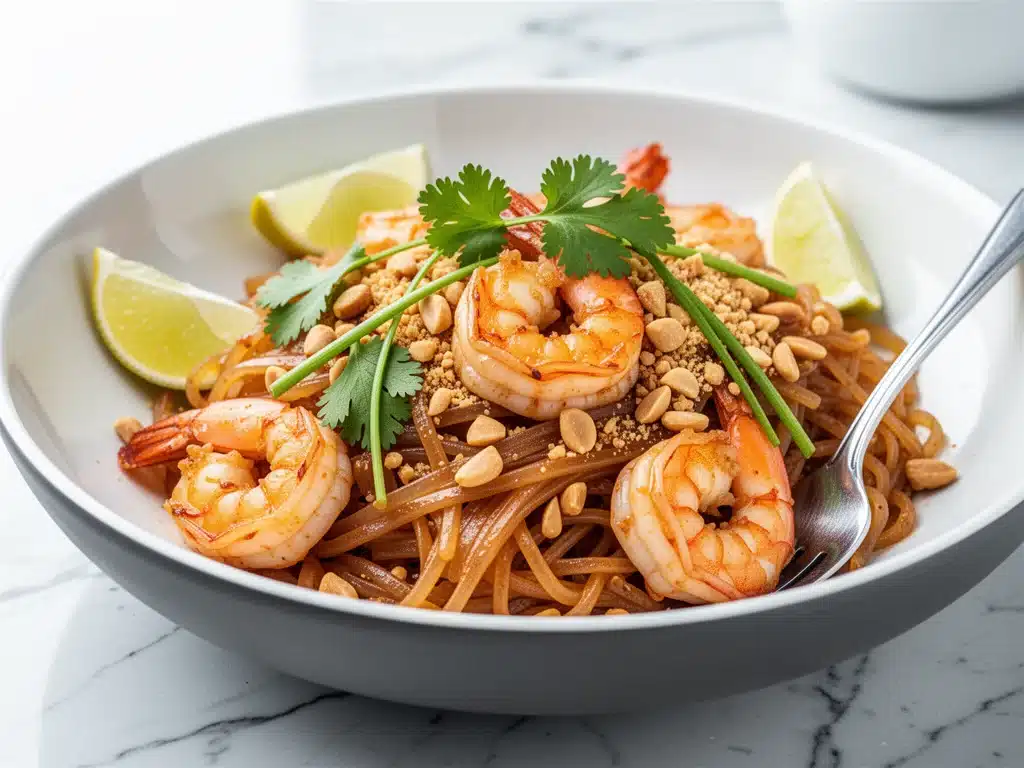
I still remember the exact moment I decided to quit ordering takeout. It wasn’t because of the price (though that was a factor). It was because of the texture. I had ordered what was supposed to be “authentic” pad thai from a place that claimed to be the best in the city. I got home, opened the container, and found limp noodles, rubbery tofu, and a sauce that tasted like nothing but sugar and salt. No tang. No depth. Just sad, soggy carbs.
I threw it out and stared into my fridge for twenty minutes. That’s when I decided to make it myself. I wanted that perfect balance—the sweet, sour, salty, and umami kick that makes pad thai addictive. I wanted the crunch of bean sprouts and the rich, nutty hit of roasted peanuts. I wanted it to taste like the street food stalls in Bangkok, not a greasy box from three towns over.
So I started experimenting. I tried different brands of fish sauce. I debated on tamarind paste versus tamarind concentrate. I soaked rice noodles for exactly 30 minutes, then 20, then 45. I burned garlic more times than I care to admit. But after about twelve iterations, I nailed it. This restaurant-style pad thai with tamarind peanut sauce is better than takeout because I control the quality. I use fresh garlic, real tamarind, and I don’t skimp on the crunch. It’s ready in 30 minutes, and it tastes like you spent an hour fussing over it.
I’ve made this for dinner parties where my friends thought I hired a Thai chef. I’ve made it on Tuesday nights when I’m exhausted. I’ve even made it for my kids, who usually only eat chicken nuggets (they surprisingly loved it). If you’re tired of bland, oily takeout, this recipe is your answer. It’s authentic, it’s fast, and it’s going to become your new favorite weeknight meal.
Why You’ll Love This Pad Thai Recipe
There are a lot of pad thai recipes out there. So why is this one the one you’ll make on repeat? Here’s the honest truth about what makes this version special.
The Sauce Is Actually Complex — Most recipes just mix soy sauce, sugar, and vinegar. This one uses real tamarind paste for that deep, fruity sourness that is impossible to fake with lime juice alone. The combination of tamarind, fish sauce, palm sugar (or brown sugar), and roasted peanut butter creates a flavor profile that hits every taste bud. It’s not just sweet; it’s savory and tangy too.
It’s Faster Than Delivery — By the time you scroll through apps, wait for confirmation, and then wait for the driver, an hour has passed. This recipe takes 30 minutes from start to finish. That’s 10 minutes of prep and 20 minutes of cooking. You can have dinner on the table before the food delivery app even loads.
Texture Is Everything — Bad pad thai is mushy. Good pad thai has contrast. The noodles are tender but hold their shape. The bean sprouts add a fresh crunch. The crushed peanuts add a nutty bite. The fried garlic adds a crispy finish. I’m obsessive about texture, and this recipe delivers.
It’s Customizable — Love shrimp? Use shrimp. Hate tofu? Use chicken. Vegan? Skip the fish sauce and use soy sauce. This recipe is a framework, not a rigid rulebook. I’ve made it with duck, with pork, and even with just vegetables. It always works.
Better Than Takeout, Obviously — This is the big one. Takeout pad thai is often made with pre-cooked noodles that sit under heat lamps. They get dry and break. Fresh rice noodles, tossed in a wok with high heat, have a silky texture that you just can’t get from a plastic container. Plus, you know exactly what’s in it. No mystery oils, no preservatives.
This is my go-to when I want something that feels fancy but doesn’t require a fancy skill set. It’s comforting, it’s exciting, and it’s reliable. Once you make this, you’ll never order takeout again.
Ingredients You’ll Need
Here’s the thing about pad thai: the ingredients list looks long, but most of it is pantry staples. You probably have half of this already. The key is getting the balance right in the sauce.
For the Noodles
Rice noodles (flat, 3-4mm wide) (8 oz / 225g) — This is non-negotiable. Don’t use vermicelli (too thin) or wide rice sheets (too thick). Look for “pad thai noodles” or “sen yai” in the Asian aisle. They soak in water; they don’t boil. Soaking them in warm water for 30-40 minutes is the secret to perfect texture.
Vegetable oil (2 tablespoons) — I use peanut oil if I have it because of the high smoke point, but canola or avocado oil works fine. You need a neutral oil that can handle high heat.
For the Tamarind Peanut Sauce
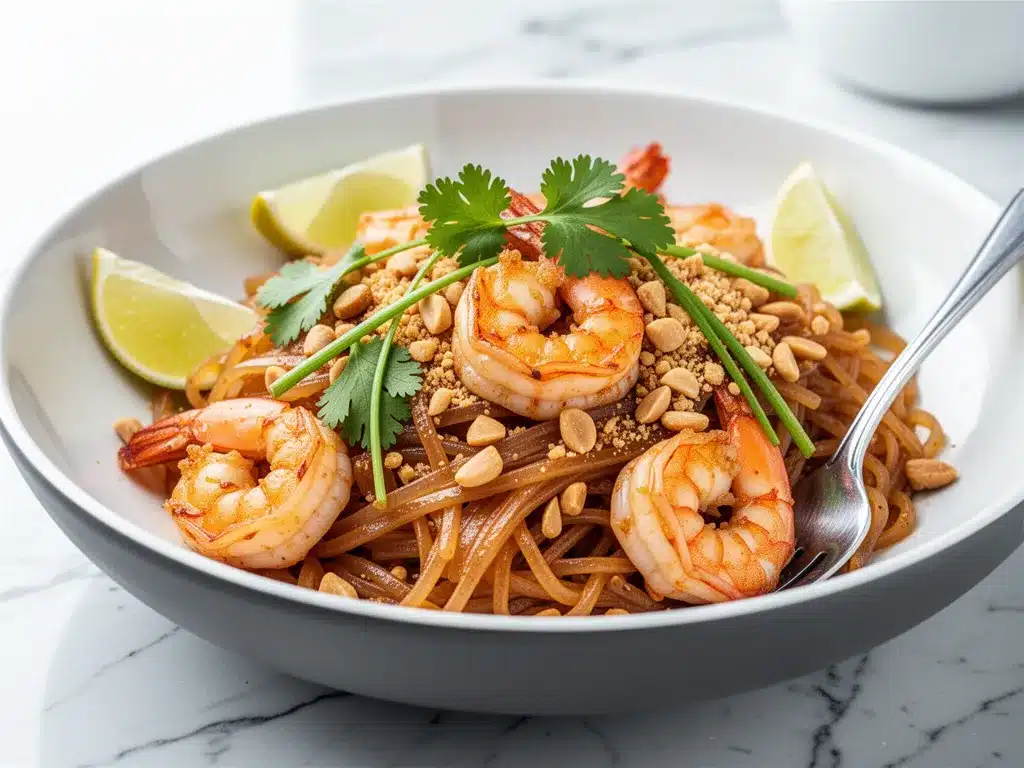
Tamarind paste (3 tablespoons) — This is the soul of the dish. Buy the block kind (dates in a brick) or the concentrate paste. Avoid the cocktail sweeteners; they’re just sugar water. You want the real, sour stuff. If you can’t find it, look in the international foods aisle.
Fish sauce (3 tablespoons) — Don’t skip this. It’s not fishy; it’s salty and umami-rich. I use Red Boat brand because it’s clean and pure. If you’re vegetarian, use soy sauce or tamari, but the flavor profile will shift slightly.
Palm sugar (2 tablespoons) — This gives that distinct caramel-like sweetness. If you can’t find palm sugar, dark brown sugar is the best substitute. White sugar is too sharp and lacks depth.
Roasted peanut butter (2 tablespoons) — This is the “peanut” part of the peanut sauce. Use natural, smooth peanut butter. No creamy stuff with hydrogenated oils. The peanuts add richness and help thicken the sauce.
Lime juice (2 tablespoons) — Freshly squeezed. Bottled lime juice tastes like cleaning fluid. Squeeze it yourself.
Garlic (4 cloves, minced) — Fresh garlic is essential. Jarred garlic has a metallic taste that ruins the delicate balance. Mince it finely so it cooks quickly and distributes evenly.
Red pepper flakes (1 teaspoon) — Adjust to taste. I like a little kick, but if you’re sensitive to heat, start with half a teaspoon.
For the Stir-Fry
Protein (1 lb / 450g) — I usually use a mix of shrimp and firm tofu. Shrimp cooks in 2 minutes, so it’s perfect for quick stir-fries. Firm tofu, pressed and cubed, adds a nice texture contrast. Chicken thighs work too if you prefer poultry.
Eggs (2 large) — Scrambled into the noodles. This is traditional in many Thai homes. It adds protein and helps bind the sauce to the noodles.
Bean sprouts (2 cups) — Fresh, crisp bean sprouts. Wash them well. They add the crucial crunch that contrasts with the soft noodles.
Green onions (3 stalks, sliced) — Both white and green parts. The whites go in early for flavor, the greens go in at the end for color.
For the Toppings
Roasted peanuts, crushed (¼ cup) — For garnish. Adds crunch and nuttiness.
Dried shrimp (optional, 2 tablespoons) — Traditional in Thailand, but optional for Western palates. They add a deep umami punch. Skip if you’re sensitive to seafood smells.
Fried garlic (2 tablespoons) — Store-bought or homemade. I make my own by slicing garlic thin and frying it until golden, then draining. It’s a game-changer for aroma.
Equipment Needed
You don’t need a fancy wok, but a large skillet or wok helps. Here’s what I actually use in my home kitchen.
Large wok or 12-inch skillet — I use a carbon steel wok. It heats up fast and has high sides to prevent splatter. If you don’t have a wok, a large non-stick skillet works perfectly. Just make sure it’s big enough to toss the noodles.
Large bowl — For soaking the rice noodles. I use a 4-quart bowl.
Small bowl — For mixing the sauce. Having the sauce pre-mixed is crucial because you cook fast.
Sharp knife and cutting board — For mincing garlic, slicing green onions, and prepping tofu.
Tongs or spatula — I use tongs for tossing the noodles. They give you better control than a spatula.
Measuring spoons — Accuracy matters in the sauce. Don’t guess.
How to Make It: Step-by-Step
Alright, let’s make this! I’m walking you through exactly how I do it, including the little tricks I’ve picked up over the years.
Step 1: Soak the Noodles (20-30 minutes)
Place the rice noodles in a large bowl and cover them with warm (not boiling) water. Let them soak until they are flexible and tender but still slightly firm in the center. This usually takes 30-40 minutes. Drain and set aside. Do not boil them! Boiling makes them mushy. They will finish cooking in the wok.
Step 2: Make the Sauce
In a small bowl, whisk together the tamarind paste, fish sauce, palm sugar, lime juice, minced garlic, and red pepper flakes. Stir until the sugar is dissolved. Taste it. It should be a balance of sour, sweet, and salty. Adjust as needed. If it’s too sour, add a bit more sugar. If it’s too sweet, add more tamarind or lime. Set aside.
Step 3: Prep the Protein and Veggies
If using tofu, press it first to remove excess water, then cut into ½-inch cubes. Mince the garlic and slice the green onions. Shuck and devein the shrimp if using. Have everything within arm’s reach. Stir-frying moves fast, so you don’t want to be chopping while the wok is hot.
Step 4: Cook the Protein
Heat 1 tablespoon of oil in your wok or skillet over medium-high heat. Add the tofu and cook until golden brown on all sides, about 3-4 minutes. Remove from the wok and set aside. Add another tablespoon of oil to the wok. Add the shrimp and cook for 1-2 minutes per side until pink. Remove and set aside with the tofu.
Step 5: Scramble the Eggs
Push any remaining oil to the center of the wok. Crack the eggs into the wok and scramble them quickly with a spatula. Cook until just set but still slightly runny. This keeps them tender.
Step 6: Stir-Fry the Noodles
Add the soaked noodles to the wok. Pour the sauce over the noodles. Toss everything together using tongs. The noodles will absorb the sauce quickly. Add the cooked tofu and shrimp back into the wok. Toss for 2-3 minutes until the noodles are heated through and coated in sauce. If the noodles are too dry, add a splash of water.
Step 7: Add the Crunch
Turn off the heat. Add half of the bean sprouts and the green onions. Toss one last time. The residual heat will wilt the sprouts just enough to keep them crunchy.
Step 8: Serve
Divide among plates. Top with the remaining bean sprouts, crushed peanuts, dried shrimp (if using), and fried garlic. Serve with lime wedges on the side. Squeeze fresh lime over the top before eating.
Expert Tips & Tricks
Here’s everything I’ve learned from making this dozens of times. These tips will save you from my mistakes.
Don’t Overcook the Noodles — The biggest mistake people make is boiling the noodles until they’re soft. They should be al dente when you soak them. They will finish cooking in the hot wok. If you overcook them, they turn to mush.
High Heat Is Key — Stir-frying requires high heat. If your wok isn’t hot enough, the noodles will stick and steam instead of fry. Get that pan smoking hot before you add the oil.
Balance Your Sauce — Taste the sauce before you cook. It should be stronger than you want the final dish to be. The noodles and protein will dilute the flavor. If the sauce is bland, the dish will be bland.
Use Natural Peanut Butter — Avoid peanut butter with added sugars and hydrogenated oils. You want pure roasted peanuts. If your peanut butter is too thick, warm it up slightly before mixing it into the sauce.
Prep Everything First — This is a “mise en place” recipe. Have all your ingredients chopped and measured before you turn on the stove. Once you start cooking, it goes fast.
Save Some Bean Sprouts — Adding all the sprouts during cooking makes them wilted. Save half for topping to add fresh crunch at the end.
Variations & Substitutions
Once you’ve nailed the basic version, here’s how you can mix it up. I’ve tried all of these.
Vegetarian Pad Thai — Skip the shrimp and fish sauce. Use extra tofu or add edamame. Substitute fish sauce with soy sauce or vegetarian oyster sauce. The flavor will be slightly different but still delicious.
Chicken Pad Thai — Use thinly sliced chicken thighs. Cook them in Step 4 until done, then remove. Add them back in Step 6. Chicken absorbs the sauce beautifully.
Seafood Lover’s — Add mussels or clams. Or use only shrimp. Or add a mix of shrimp and squid. Seafood cooks fast, so add it at the very end.
Spicy Pad Thai — Add fresh chopped chilies to the sauce. Or use a spicy chili paste like Sriracha or Nam Prik Pao for a smoky heat.
Gluten-Free — Rice noodles are naturally gluten-free. Just make sure your fish sauce and soy sauce (if used) are certified gluten-free. Some fish sauces have wheat added as a filler.
Serving & Storage
How to Serve: I usually serve this straight from the wok. It looks rustic and stays warm. Top with lime wedges and extra peanuts. A side of cucumber salad cuts through the richness.
Storage: Store leftovers in an airtight container in the fridge for up to 3 days. The noodles will absorb more sauce and become softer, which some people love.
Reheating: Reheat in a skillet with a splash of water to loosen the noodles. Microwave works but can make noodles rubbery. Add a splash of water and cover to steam them back to life.
Freezing: I don’t recommend freezing pad thai. The texture of the noodles changes when frozen and thawed. They become grainy. Make it fresh.
Nutrition Information
I’m not a nutritionist, but here’s the breakdown if you’re tracking. This is per serving (based on 4 servings).
Calories: 450
Protein: 20g
Carbs: 55g
Fat: 18g
Fiber: 3g
Sugar: 12g
This is a balanced meal with protein, carbs, and healthy fats from peanuts. It’s higher in sodium due to fish sauce, so use low-sodium versions if you’re watching salt.
Final Thoughts
So that’s my restaurant-style pad thai! I’ve talked your ear off, but when you make a recipe this often, you have a lot to say about it. This has saved weeknight dinners more times than I can count. It’s my answer to “what’s for dinner” when I want something flavorful but quick.
Make it yours! Try different add-ins, swap in your favorite vegetables, adjust the spice. The best recipes are the ones you adapt to your family’s tastes. If you make this, drop a comment and let me know what you think! I love hearing how recipes turn out in your kitchen.
Happy cooking! And I hope your kitchen smells half as good as mine does right now.
Frequently Asked Questions
Can I use rice vermicelli instead of pad thai noodles?
You can, but the texture will be different. Vermicelli is thinner and cooks faster. It works in a pinch, but for that authentic chewy texture, use flat rice noodles (3-4mm wide).
What is tamarind paste?
It’s a sour paste made from the pulp of the tamarind tree’s fruit. It’s the key ingredient for authentic pad thai flavor. You can find it in the Asian aisle of most grocery stores, usually near the soy sauce.
Can I make the sauce ahead of time?
Yes! The sauce keeps in the fridge for up to a week. In fact, the flavors meld together and taste even better the next day. Just stir it up before using.
Why is my pad thai too sweet?
You probably used too much sugar or not enough tamarind/lime. Next time, add more lime juice or a pinch of salt to balance it out. Taste the sauce before cooking!
Can I use fresh tamarind instead of paste?
Yes, but it’s more work. You’ll need to soak the fresh pod in warm water, strain out the seeds and fibers, and use the liquid. The paste is much more convenient and consistent.
Is pad thai healthy?
It’s a balanced meal with protein, carbs, and veggies. However, it can be high in sodium and sugar depending on the sauce. Using less sugar and more veggies makes it healthier. It’s not a diet food, but it’s not junk food either.
Can I freeze leftovers?
I don’t recommend it. The rice noodles tend to become grainy and lose their texture when frozen. It’s best eaten fresh or stored in the fridge for a few days.
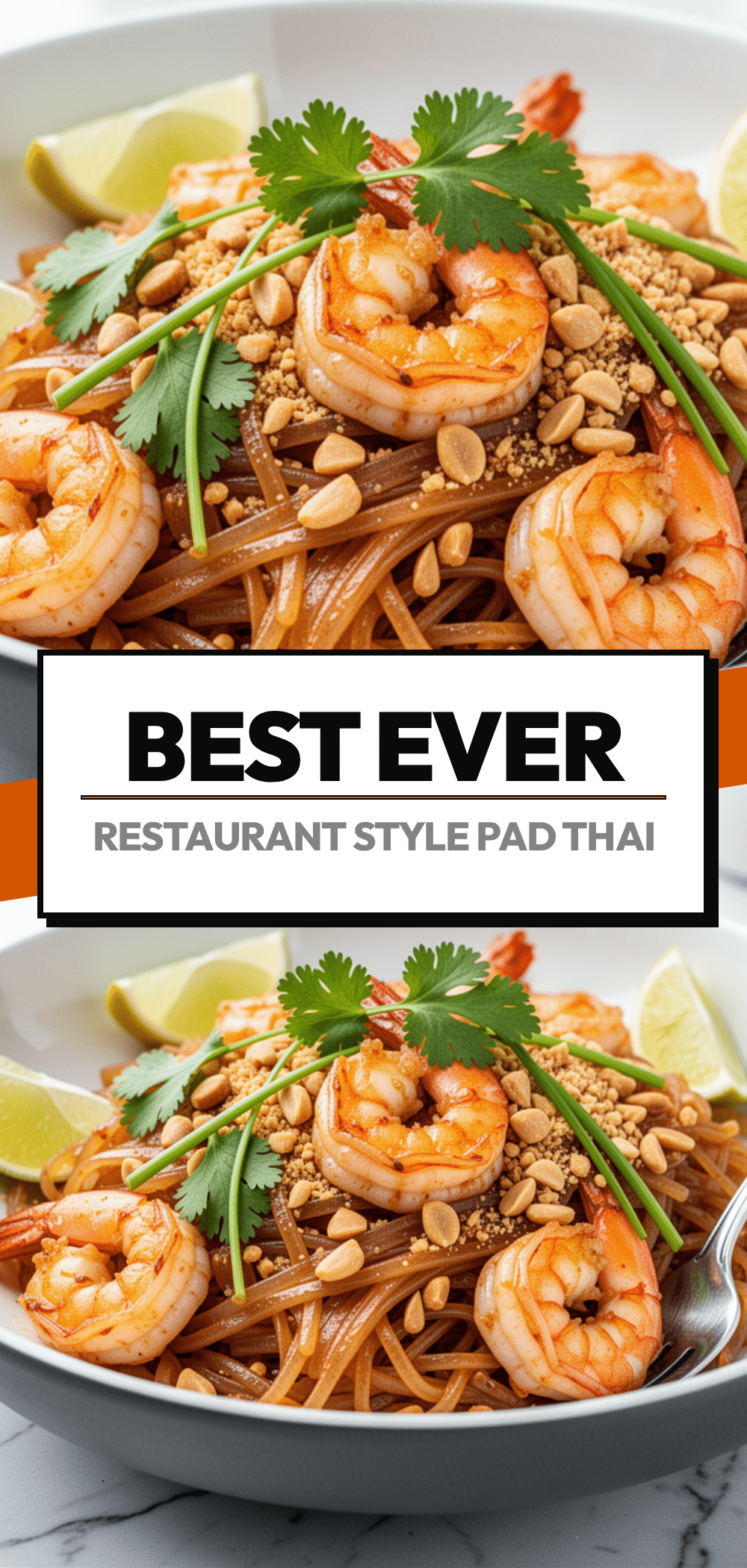
Pin This Recipe!
Restaurant-Style Pad Thai: Best 30-Min Meal
- Total Time: 30 minutes
- Yield: 4 servings 1x
Description
An authentic, restaurant-quality Pad Thai made in just 30 minutes. This recipe features a complex tamarind peanut sauce, perfectly textured rice noodles, and customizable proteins for a fast, flavorful weeknight dinner.
Ingredients
- 8 oz (225g) flat rice noodles (3-4mm wide)
- 2 tablespoons vegetable oil (divided)
- 3 tablespoons tamarind paste
- 3 tablespoons fish sauce
- 2 tablespoons palm sugar (or dark brown sugar)
- 2 tablespoons roasted peanut butter
- 2 tablespoons lime juice (freshly squeezed)
- 4 cloves garlic (minced)
- 1 teaspoon red pepper flakes
- 1 lb (450g) protein (shrimp, firm tofu, or chicken)
- 2 large eggs
- 2 cups bean sprouts (divided)
- 3 stalks green onions (sliced)
- 1/4 cup roasted peanuts (crushed, for garnish)
- 2 tablespoons dried shrimp (optional)
- 2 tablespoons fried garlic (for garnish)
Instructions
- Soak rice noodles in a large bowl of warm water for 30-40 minutes until flexible but still firm in the center. Drain and set aside.
- In a small bowl, whisk together tamarind paste, fish sauce, palm sugar, lime juice, minced garlic, and red pepper flakes until sugar is dissolved. Taste and adjust seasoning if needed.
- If using tofu, press and cube it. Mince garlic and slice green onions. Prep shrimp or chicken.
- Heat 1 tablespoon oil in a large wok or skillet over medium-high heat. Cook tofu until golden brown (3-4 minutes), then remove and set aside.
- Add remaining oil to the wok. Cook shrimp (or chicken) for 1-2 minutes per side until cooked through, then remove and set aside with the tofu.
- Push oil to the center, crack eggs into the wok, and scramble quickly until just set but still tender.
- Add soaked noodles to the wok and pour the sauce over them. Toss with tongs to coat evenly.
- Return cooked protein to the wok and toss for 2-3 minutes until noodles are heated through and coated. Add a splash of water if too dry.
- Turn off heat. Stir in half of the bean sprouts and green onions.
- Serve immediately, topped with remaining bean sprouts, crushed peanuts, dried shrimp, and fried garlic. Serve with lime wedges.
Notes
Do not boil the rice noodles; soaking them in warm water is key to the correct texture. High heat is essential for stir-frying to prevent sticking. Taste the sauce before cooking to ensure a balance of sour, sweet, and salty. For vegetarian versions, substitute fish sauce with soy sauce or tamari.
- Prep Time: 10 minutes
- Cook Time: 20 minutes
- Category: Main Course
- Cuisine: Thai
Nutrition
- Serving Size: 1 plate
- Calories: 450
- Sugar: 12
- Fat: 18
- Saturated Fat: 3
- Carbohydrates: 55
- Fiber: 3
- Protein: 20
Keywords: Pad Thai, Thai food, stir fry, rice noodles, tamarind sauce, quick dinner, weeknight meal, restaurant style, gluten-free option


