Last year, I showed up to my in-laws’ Labor Day barbecue with a sad, wilted green bean casserole. It had been sitting in the back of the car for forty minutes in 90-degree heat, and by the time we got to the table, it was basically just hot gravy and soggy fries. My mother-in-law, who is a lovely woman but takes her potato salad very seriously, gave it a polite nod and then immediately went back to scooping the third bowl of creamy mac and cheese onto her plate. I felt terrible. I wanted to contribute something delicious, something that screamed “summer,” but instead, I brought mealy disappointment.
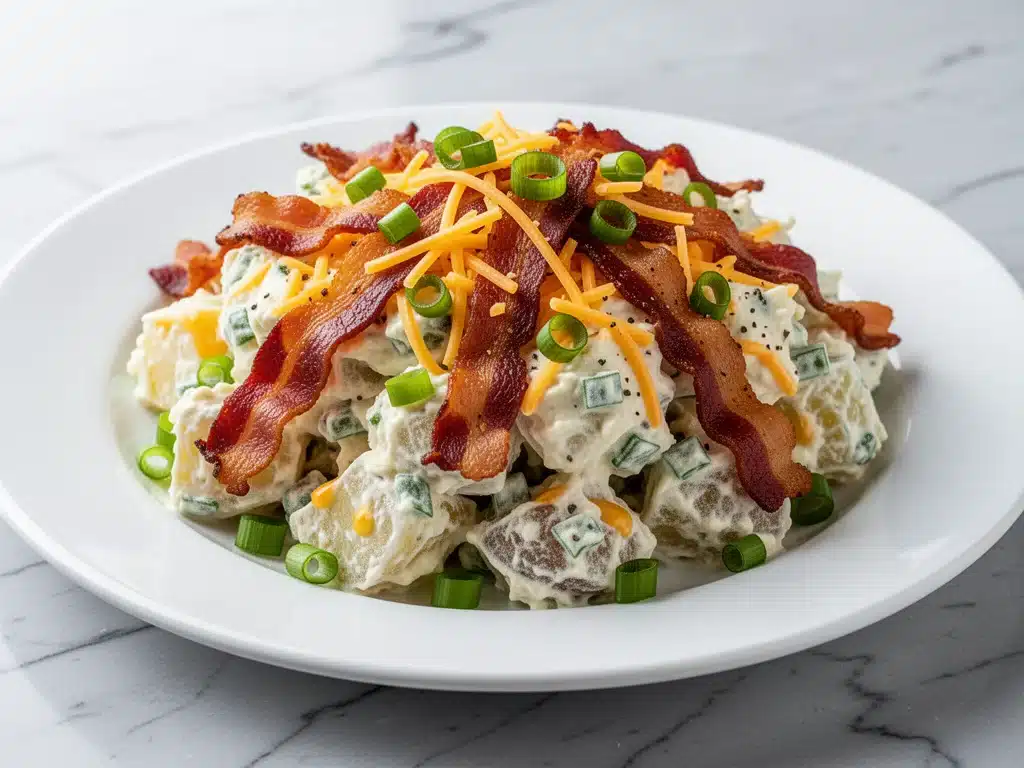
This year, I decided to stop playing it safe. I wanted a dish that could handle the heat, travel well in a cooler, and actually compete with the BBQ ribs. That’s when I decided to make this Loaded Baked Potato Salad. It’s not your average mayo-heavy, mushy potato side. It’s chunky. It’s creamy. It’s got the salty crunch of bacon, the sharp bite of cheddar, and the fresh pop of chives. It tastes like a loaded baked potato but in salad form. And the best part? It actually gets better as it sits. By the time we got to the picnic table, it had chilled perfectly, and my mother-in-law asked for the recipe before the dessert plates were even cleared.
I’ve tested this recipe at three different summer gatherings now, and it has become my go-to for any big cookout. Whether you’re hosting a Labor Day feast, a backyard wedding, or just a lazy Sunday dinner, this salad is the crowd-pleaser you need. It’s easy to make ahead, which is crucial when you’re trying to juggle burgers and drinks, and it brings that cozy, comfort-food vibe to the table without weighing everyone down too much. Let me walk you through why this is the ultimate summer side dish.
Why You’ll Love This Loaded Baked Potato Salad
There are about a dozen reasons I keep making this potato salad, but if you’re skeptical about swapping out traditional versions for something “loaded,” here’s why you should trust me on this one.
It Actually Has Texture — Most potato salads turn into a mushy mess after an hour in the sun. Not this one. I use a mix of waxy and Yukon Gold potatoes, which hold their shape even when tossed in warm dressing. You get distinct chunks of potato, crispy bacon bits, and cool cheese. Every spoonful has a different texture. It’s not just soft; it’s interesting.
Perfect for Hot Weather — I know, I know, potato salad is a cold dish. But this one is designed for heat. The acidity from the sour cream and a splash of apple cider vinegar cuts through the richness, so it doesn’t feel heavy or cloying on a humid day. Plus, the flavors meld together as it chills, so it’s best served cold or room temperature, which is exactly what you need for outdoor eating.
Make-Ahead Friendly — This is the biggest win for me. I can make this the night before, let it sit in the fridge overnight, and bring it out fresh the next day. In fact, I think it tastes even better after 24 hours because the potatoes soak up all that creamy, garlicky dressing. It saves me so much stress on the day of the party.
Crowd-Pleasing Versatility — I’ve served this to vegetarians (just skip the bacon), picky kids, and hardcore BBQ fans. Everyone finds something they love. The bacon makes the meat-eaters happy, and the creamy, cheesy flavor appeals to everyone. It’s a safe bet that feels special.
It’s Budget-Smart — Potatoes are cheap. Bacon is affordable. Cheese is pantry-friendly. You can feed a crowd of 15-20 people for under $20. That’s a lot of side dish for the price, and it looks way more impressive than a bag of chips or a jar of coleslaw.
This salad is my answer to “what’s for dinner” when I’m tired, it’s hot outside, and I still want to feed people something that tastes like I put in effort. It’s reliable, delicious, and totally stress-free.
Ingredients You’ll Need
Here’s the best part: you probably have most of this already. I’m particular about three ingredients here, and I’ll tell you exactly why they matter. This isn’t just a list; it’s a cheat sheet for getting it right the first time.
Potatoes (4 pounds / 1.8kg) — I use a mix of Yukon Gold and red potatoes. Yukons are buttery and hold shape well, while red potatoes add a nice waxy bite. Avoid Russets—they fall apart too easily in a salad. If you can only find one type, Yukon Gold is the safest bet. Look for medium-sized potatoes so they cook evenly.
Bacon (1 pound / 450g) — Don’t skimp. I use thick-cut bacon because it stays crispy. Thin bacon gets soggy fast. Cook it until it’s really crunchy, then crumble it into bite-sized pieces. You want chunks, not crumbs. Reserve a few pieces for garnish at the end if you want to show off.
Cheddar Cheese (2 cups / 200g, shredded) — Use sharp cheddar. Mild cheddar is too subtle and gets lost in the creaminess. Sharp cheddar adds that punchy flavor that cuts through the richness. Shred it yourself from a block—pre-shredded cheese has anti-caking agents that prevent it from melting properly into the dressing.
Sour Cream (1 cup / 240g) — Full-fat only. Low-fat sour cream separates and tastes tangy in a bad way. I use a good brand like Daisy or French’s. It provides that thick, creamy base that coats the potatoes without being runny.
Mayonnaise (½ cup / 120g) — Hellmann’s or Duke’s works well. I like Duke’s for its tangier profile, but Hellmann’s is creamier. It adds richness and helps emulsify the dressing so it doesn’t break. Don’t use too much, or it’ll be greasy.
Butter (4 tablespoons / 60g) — Unsalted butter. This is the secret weapon. We melt it with the garlic and spices to create a warm, fragrant base for the dressing. It adds a depth of flavor that plain mayo just can’t achieve.
Garlic (4 cloves, minced / about 2 tablespoons) — Fresh only. No jarred garlic. The butter and garlic sizzle together to create an aromatic base. If you mince it yourself, it distributes better. I use a microplane to make sure there are no big chunks.
Green Onions (6 stalks, sliced) — Both white and green parts. They add a mild onion bite that’s fresher than raw onion. Slice them thinly so you get little bursts of flavor in every bite.
Chives (2 tablespoons, fresh, chopped) — Essential for garnish and flavor. Chives taste like a milder, sweeter onion. Fresh is best here. Dried chives just don’t have the same pop. If you can’t find fresh, use more green onions, but fresh chives are worth the trip to the store.
Spices — 1 teaspoon smoked paprika, ½ teaspoon black pepper, ½ teaspoon salt (or to taste), and a pinch of cayenne if you like heat. Smoked paprika is non-negotiable. It gives that “BBQ” vibe without actual smoke. It ties the whole dish together.
Optional Add-ins — I sometimes add cooked broccoli florets for extra veggies, or diced pickles for a tangy kick. But honestly, the classic version is so good that I rarely need to tweak it.
Equipment Needed
You don’t need fancy equipment for this. Here’s what I actually use. Most of this is basic kitchen stuff, but a couple of tools make a big difference.
Large Pot — I use a 6-quart pot. It needs to fit 4 pounds of potatoes comfortably with enough water to cover them. My ancient stockpot from college still works fine, but make sure it’s big enough. You don’t want to overcrowd the pot.
Colander — For draining the potatoes. A large mesh colander works best. Or just use the lid to drain—I do this when I’m lazy, but be careful of steam.
Large Mixing Bowl — You need a bowl big enough to toss 4 pounds of potatoes with the dressing without spilling. A 12-inch bowl is ideal. I use a stainless steel bowl because it’s sturdy and easy to clean.
Skillet — 10-inch works best for melting the butter and garlic. I prefer stainless steel or cast iron, but non-stick works too. This is where the magic happens for the dressing base.
Sharp Knife — For chopping green onions and chives. Dull knives make you cry more—learned this the hard way. A good chef’s knife makes quick work of the veggies.
Box Grater — For shredding the cheese. Or food processor if you’re grating lots of cheese. I use a box grater because it gives me control over the shred size.
Wooden Spoon — For stirring the dressing. Silicone works too. Don’t use metal on non-stick.
Measuring Cups and Spoons — Pretty standard stuff. Dollar store versions work fine. Just make sure they’re accurate.
Optional but nice: Potato masher — If you want a chunkier salad, just cut the potatoes into cubes. If you like some smaller bits, mash a few of them before tossing. I usually leave them whole for texture.
How to Make It: Step-by-Step
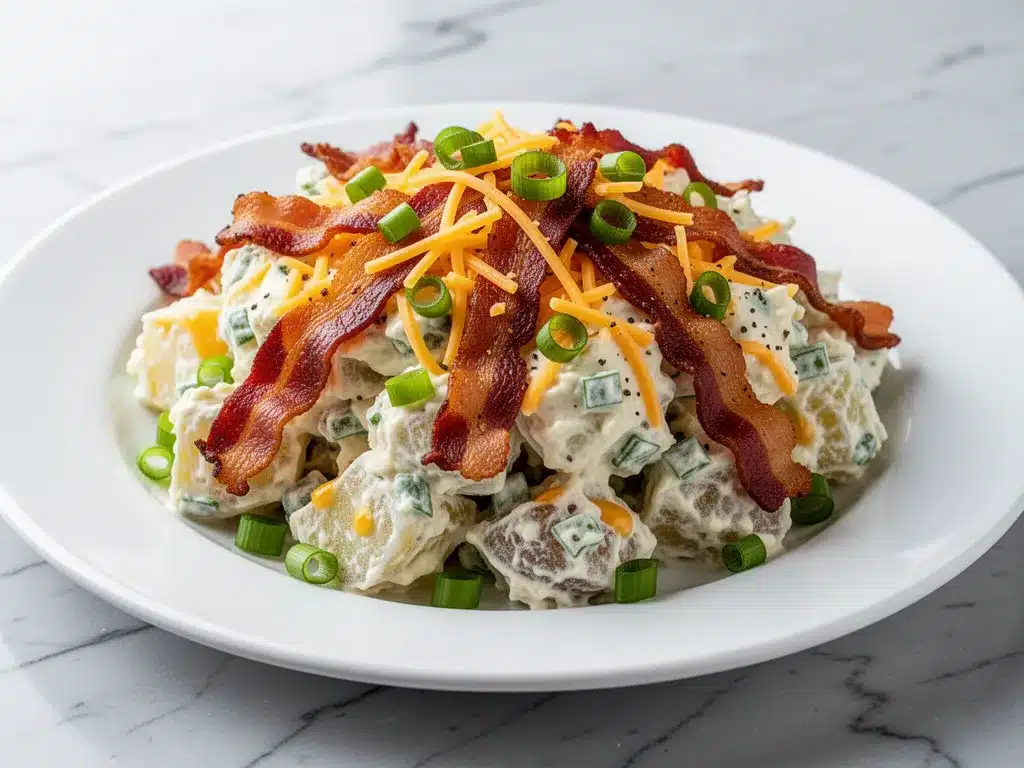
Alright, let’s make this! I’m walking you through exactly how I do it, including the little tricks I’ve picked up over the years. This Loaded Baked Potato Salad for Labor Day Gatherings is easier than it looks, but there are a few key steps to get it right.
Step 1: Prep Your Potatoes (10 minutes)
Wash the potatoes thoroughly. You don’t need to peel them—the skins add flavor and texture. Cut them into 1-inch cubes. Try to keep them uniform so they cook evenly. If you have big potatoes, cut them in half first, then cube. Small potatoes can be left whole or halved.
Step 2: Cook the Potatoes (15-20 minutes)
Bring a large pot of salted water to a boil—it should taste like the ocean. Add the potatoes and cook until tender but still firm. This usually takes 12-15 minutes. Test with a fork; it should slide in easily but not fall apart. IMPORTANT: Drain the potatoes immediately and spread them out on a baking sheet or large tray to cool. Do not let them sit in the hot water, or they’ll get mushy. Let them cool for 15-20 minutes. You want them warm, not hot, when you add the dressing.
Step 3: Make the Warm Dressing Base (5 minutes)
While the potatoes cool, heat the butter in a skillet over medium heat. Add the minced garlic and cook for 1 minute, stirring constantly. The garlic should smell amazing but not brown—browned garlic tastes bitter. Remove from heat and stir in the smoked paprika, black pepper, and cayenne. This blooming process releases the flavors in the spices. Let this mixture cool for 2 minutes.
Step 4: Mix the Dressing (2 minutes)
In a large bowl, whisk together the sour cream, mayonnaise, and the warm butter-garlic mixture. The warmth helps the spices dissolve into the cream. Whisk until smooth and creamy. Taste and adjust salt if needed. It should be tangy and savory.
Step 5: Combine Everything (5 minutes)
Add the cooled potatoes to the dressing. Gently toss them with a large spoon or spatula. Be gentle— you want to coat the potatoes, not mash them. Add the crumbled bacon, shredded cheddar, and sliced green onions. Fold everything together until evenly distributed. The residual heat from the potatoes will slightly melt the cheese, which is perfect.
Step 6: Chill and Serve (30+ minutes)
Cover the bowl with plastic wrap and refrigerate for at least 30 minutes, but ideally 2-4 hours. This chilling time is crucial. It allows the flavors to meld and the salad to set. Before serving, garnish with fresh chives and extra bacon bits. Serve cold or at room temperature.
Total Time: About 45 minutes active, plus chilling time.
Built-in Troubleshooting:
- Potatoes too mushy? You overcooked them or let them sit in water. Next time, drain immediately and spread them out to cool.
- Dressing too thick? Add a splash of milk or buttermilk to thin it out.
- Dressing too thin? Add more sour cream or let it chill longer. The potatoes absorb liquid as they sit.
Expert Tips & Tricks
Here’s everything I’ve learned from making this dozens of times. These tips will save you from my mistakes.
Don’t Skip the Cooling Step
This is the #1 mistake people make. If you add hot potatoes to the creamy dressing, the mayo can separate, and the cheese will melt into a greasy pool. Let the potatoes cool until they’re just warm to the touch. This ensures a creamy, stable salad.
Cook Bacon Until Crispy
If the bacon is even slightly soft, it will get soggy in the salad. Cook it until it’s rock hard, then crumble it. The contrast between the soft potato and crispy bacon is essential.
Use Sharp Cheddar
Mild cheddar is too bland for this dish. Sharp cheddar adds a tangy bite that cuts through the richness of the sour cream and mayo. It’s worth the extra cost.
Toast the Spices
Blooming the smoked paprika and garlic in warm butter releases their essential oils. It adds a depth of flavor that just mixing dry spices into the mayo can’t achieve. Don’t skip this step.
Make It Ahead
This salad tastes better the next day. The flavors meld and intensify. Make it the night before for the best results. It’s also easier to transport if it’s already chilled.
Variations & Substitutions
Once you’ve nailed the basic version, here’s how you can mix it up. I’ve tried all of these.
Broccoli Potato Salad
Add 2 cups of steamed broccoli florets. The broccoli adds a nice crunch and color. I love this version because it feels more like a complete meal. My kids actually eat the broccoli this way.
BBQ Bacon Version
Swap the smoked paprika for BBQ sauce. Add ¼ cup of your favorite BBQ sauce to the dressing. It adds a sweet, smoky kick that pairs perfectly with the bacon.
Lighter Version
Use Greek yogurt instead of sour cream and half-and-half instead of mayo. It’s tangier and lighter, but still creamy. I make this when I’m trying to be “healthy,” though it’s definitely not diet food.
Vegan Version
Use vegan mayo, coconut cream instead of sour cream, and nutritional yeast instead of cheddar. Use tempeh bacon or smoked tofu for the bacon bits. It’s different but still tasty. My vegan friend requests this version often.
Gluten-Free
This recipe is naturally gluten-free, but check your bacon and mayo labels to be sure. Some processed meats have hidden gluten.
Serving & Storage
I usually serve this straight from the bowl at the dinner table—it looks rustic and stays cool. But here are other ways I’ve enjoyed it:
Side Dishes:
- Grilled corn on the cob
- Coleslaw (classic combo)
- BBQ ribs or pulled pork
- Fresh fruit salad to balance the richness
Toppings Bar:
When I have guests, I put out: extra bacon bits, chives, hot sauce, and lemon wedges. Everyone customizes their bowl.
Storage Instructions:
Refrigerator: Store in an airtight container for up to 4 days. The salad will thicken in the fridge—totally normal. Stir in a splash of milk or mayo before serving if it’s too thick.
Freezing: Honestly, this doesn’t freeze well because of the dairy. The mayo and sour cream separate when thawed. Make it fresh or store in the fridge for up to 4 days.
Meal Prep: Make the salad on Sunday, store in the fridge. Bring it out an hour before serving to take the chill off. It’s perfect for meal prep lunches too.
Pro tip: If leftovers are drying out, stir in a tablespoon of mayo and a splash of milk when reheating. Brings back that creamy texture.
Nutrition Information
I’m not a nutritionist, but here’s the breakdown if you’re tracking. Per serving (based on 12 servings):
- Calories: 320
- Protein: 12g
- Carbs: 35g
- Fiber: 3g
- Sugar: 2g
- Fat: 16g
- Saturated Fat: 8g
- Cholesterol: 35mg
- Sodium: 450mg
- Calcium: 150mg
What’s Good: Decent protein from cheese and bacon. Potatoes provide fiber and potassium. Can add vegetables to boost nutrition.
What to Know: Higher in calories from mayo and cheese. Contains dairy. Moderate sodium (use low-sodium bacon to reduce).
My Take: Look, this is comfort food with bacon and cheese. It’s not a diet recipe. But it’s way better than takeout, costs less, and I know exactly what’s in it. When I want to make it lighter, I use the Greek yogurt version and load up on broccoli. But usually? I just eat a reasonable portion and enjoy it.
Final Thoughts
So that’s my Loaded Baked Potato Salad for Labor Day Gatherings! I’ve probably talked your ear off at this point, but when you make a recipe this often, you have a lot to say about it. This has saved my picnics more times than I can count. It’s my answer to “what’s for dinner” when I’m tired, it’s hot outside, and I still want to feed people something that tastes like I put in effort. My family is happy, my guests are happy, and I’m happy because I’m not stressed about cooking.
Make it yours! Try different add-ins, swap in your favorite cheeses, adjust the bacon. The best recipes are the ones you adapt to your family’s tastes. If you make this, drop a comment and let me know what you think! I love hearing how recipes turn out in your kitchen. And if something doesn’t work, tell me that too—I’m here to help troubleshoot. Happy cooking! And I hope your kitchen smells half as good as mine does right now.
Frequently Asked Questions
Q: Can I use Russet potatoes instead of Yukon Gold?
A: You can, but they’ll be much fluffier and might break apart more easily. Yukon Golds are waxy and hold their shape better in salad. If you must use Russets, undercook them slightly and handle them gently. But I really recommend Yukon Golds or red potatoes.
Q: Why did my salad turn out watery?
A: This usually happens if the potatoes were too hot when you added the dressing, or if you used low-fat sour cream. Make sure the potatoes are cooled, and use full-fat dairy. Also, don’t add too much liquid at the start—you can always thin it later.
Q: Can I make this ahead for a party?
A: Absolutely! In fact, it’s better made ahead. Make it the night before and let it chill overnight. The flavors will meld, and it’ll be perfectly cold for serving. Just bring it out 30 minutes before serving to take the chill off.
Q: Can I use pre-shredded cheese?
A: You can, but it’s not ideal. Pre-shredded cheese has anti-caking agents that prevent it from melting smoothly. It can make the salad grainy. Shred your own from a block for the best texture. It takes 2 minutes and makes a huge difference.
Q: How do I reheat leftovers without it getting dry?
A: You shouldn’t reheat this salad—it’s best served cold or room temperature. If you must, warm it gently in the microwave with a splash of milk, but the texture will change. It’s really meant to be eaten cold.
Q: Can I double this recipe?
A: Yes! Double everything and use a very large bowl. The cooking times stay the same. I do this when I’m feeding a crowd. Just make sure you have enough space to toss the potatoes without spilling.
Q: What’s the best way to transport this to a picnic?
A: Use a insulated container or a cooler with ice packs. Keep it cold until serving time. If you’re driving a long distance, pack it in a cooler bag with ice packs to keep it safe. It’s sturdy enough to survive the ride if it’s chilled properly.
Pin This Recipe!
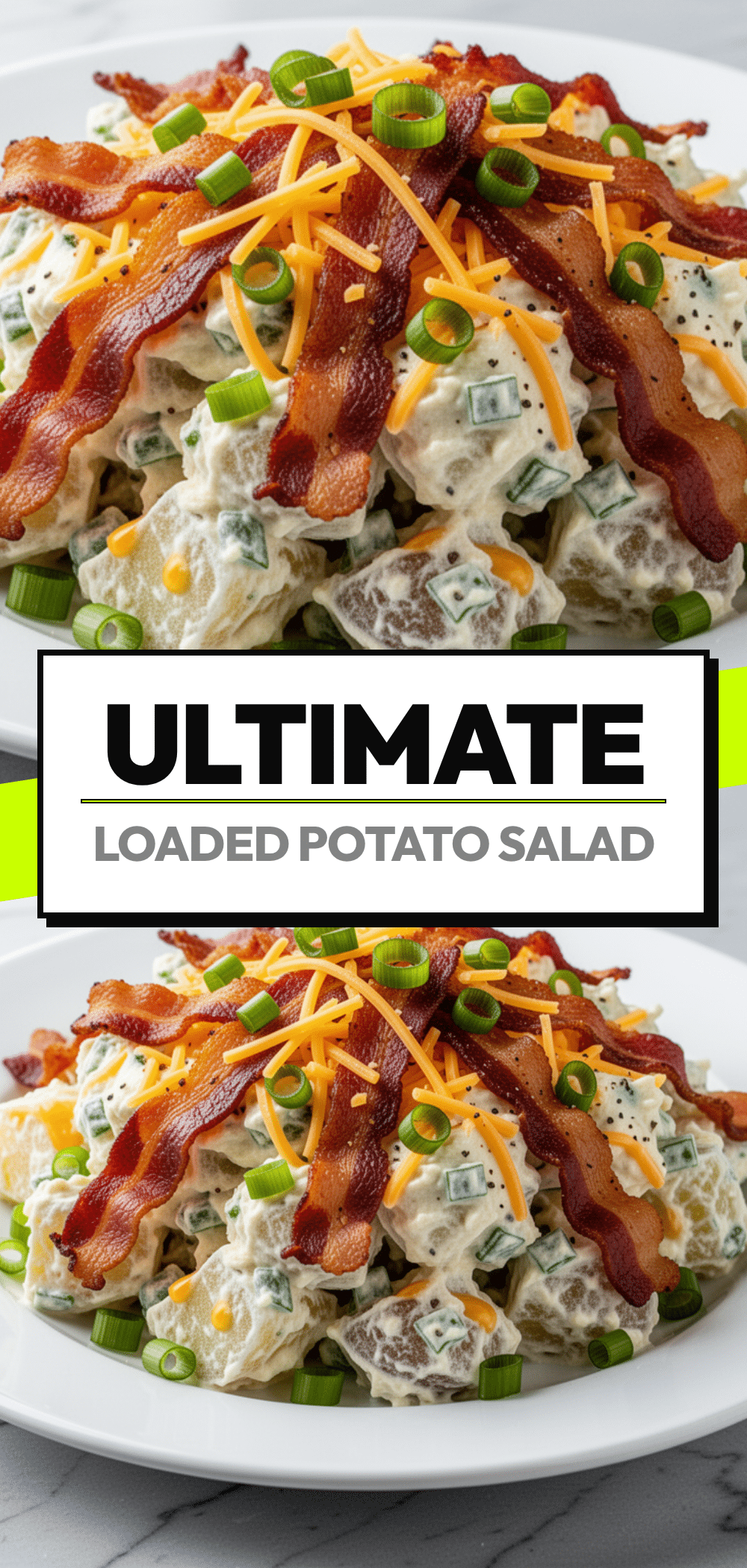

Loaded Baked Potato Salad: Best Easy Labor Day Side
- Total Time: 45 minutes
- Yield: 12 servings 1x
Description
A chunky, creamy potato salad featuring Yukon Gold and red potatoes, crispy bacon, sharp cheddar, and a warm garlic-butter dressing. It holds its shape well, travels easily, and tastes even better after chilling overnight.
Ingredients
- 4 pounds (1.8kg) potatoes (mix of Yukon Gold and red potatoes), cut into 1-inch cubes
- 1 pound (450g) thick-cut bacon, cooked until crispy and crumbled
- 2 cups (200g) sharp cheddar cheese, shredded
- 1 cup (240g) full-fat sour cream
- ½ cup (120g) mayonnaise
- 4 tablespoons (60g) unsalted butter
- 4 cloves garlic, minced
- 6 stalks green onions, sliced
- 2 tablespoons fresh chives, chopped
- 1 teaspoon smoked paprika
- ½ teaspoon black pepper
- ½ teaspoon salt (or to taste)
- Pinch of cayenne pepper (optional)
Instructions
- Wash potatoes and cut into 1-inch cubes. Do not peel.
- Bring a large pot of salted water to a boil. Add potatoes and cook for 12-15 minutes until tender but firm.
- Drain potatoes immediately and spread them on a baking sheet to cool for 15-20 minutes until warm, not hot.
- While potatoes cool, melt butter in a skillet over medium heat. Add minced garlic and cook for 1 minute until fragrant but not browned.
- Remove skillet from heat and stir in smoked paprika, black pepper, and cayenne. Let cool for 2 minutes.
- In a large mixing bowl, whisk together sour cream, mayonnaise, and the warm butter-garlic-spice mixture until smooth.
- Add the cooled potatoes to the dressing and gently toss to coat.
- Fold in the crumbled bacon, shredded cheddar, and sliced green onions.
- Cover and refrigerate for at least 30 minutes, ideally 2-4 hours, to allow flavors to meld.
- Garnish with fresh chives and extra bacon bits before serving cold or at room temperature.
Notes
Do not add hot potatoes to the dressing as it can cause the mayo to separate. Use full-fat sour cream for best texture. Shred cheese from a block rather than using pre-shredded to avoid anti-caking agents. This salad tastes better after sitting in the fridge overnight.
- Prep Time: 10 minutes
- Cook Time: 20 minutes
- Category: Side Dish
- Cuisine: American
Nutrition
- Serving Size: 1 serving
- Calories: 320
- Sugar: 2
- Sodium: 450
- Fat: 16
- Saturated Fat: 8
- Carbohydrates: 35
- Fiber: 3
- Protein: 12
Keywords: loaded baked potato salad, labor day side dish, potato salad recipe, summer BBQ sides, make ahead potato salad, bacon potato salad


